Showing posts with label Ireland. Show all posts

Tuesday, June 28, 2016

Ireland


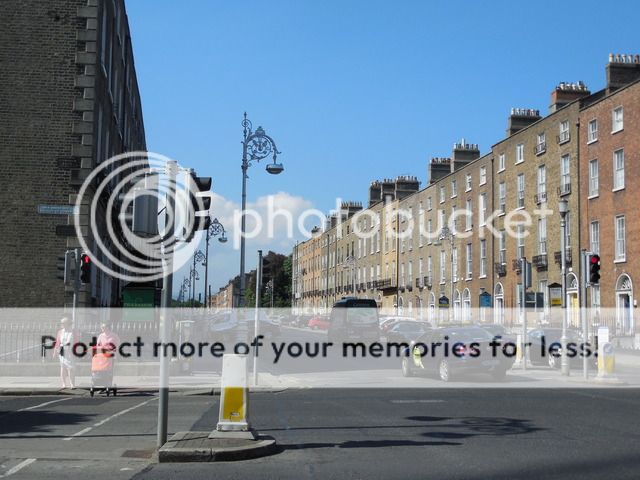
Georgian houses, Dublin
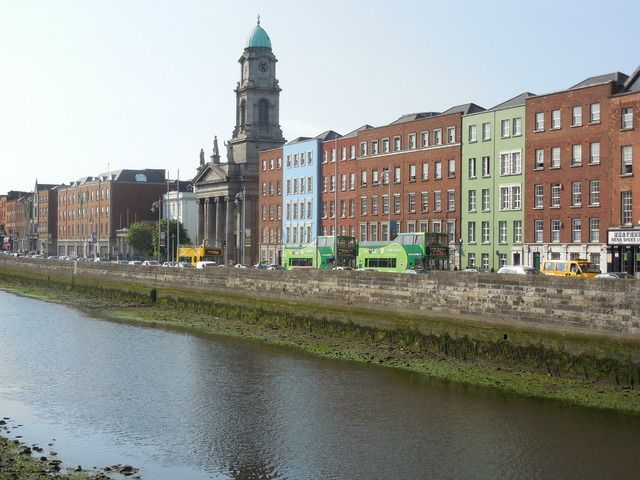
River Liffey, Dublin
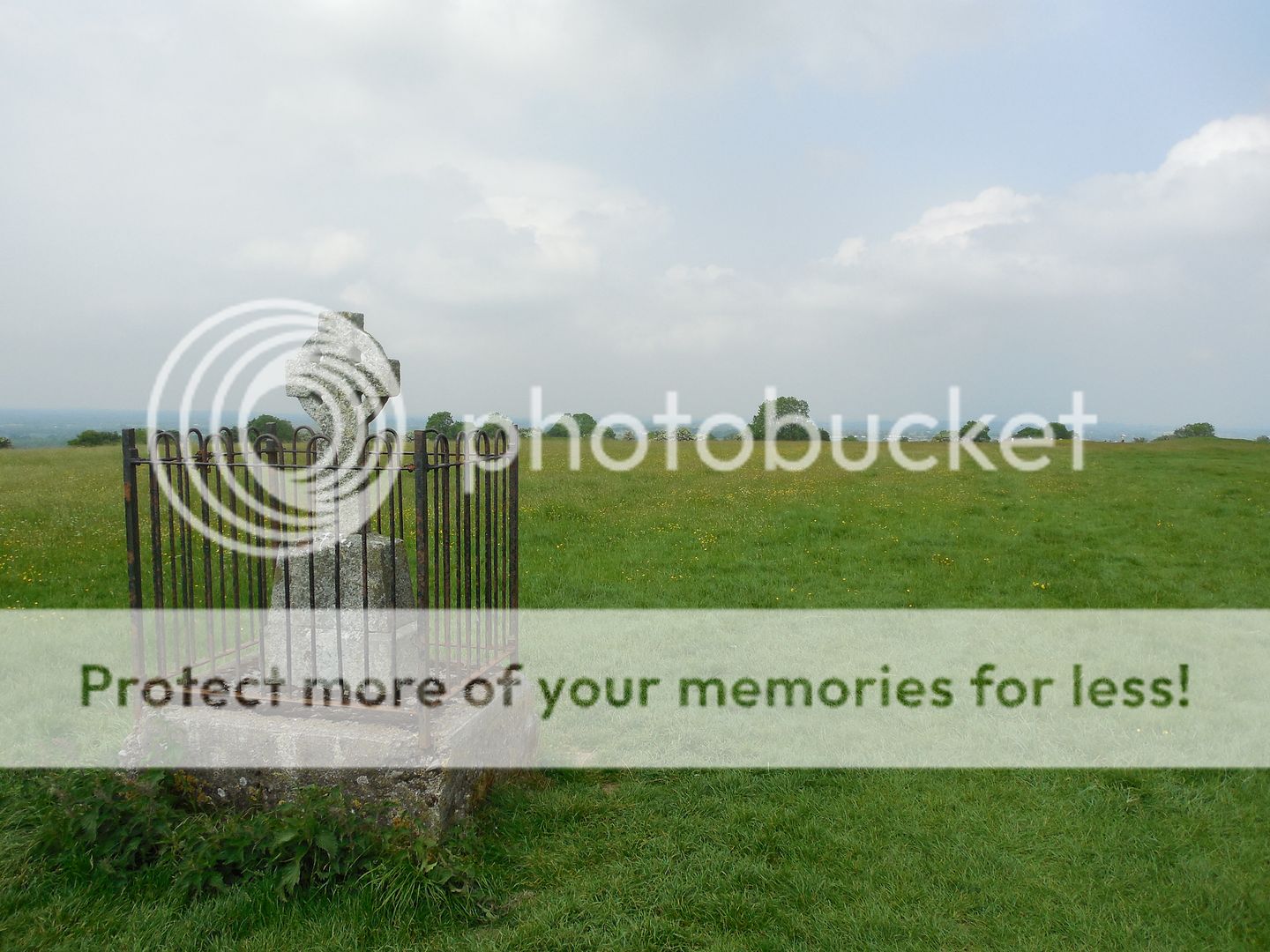
The Hill of Tara
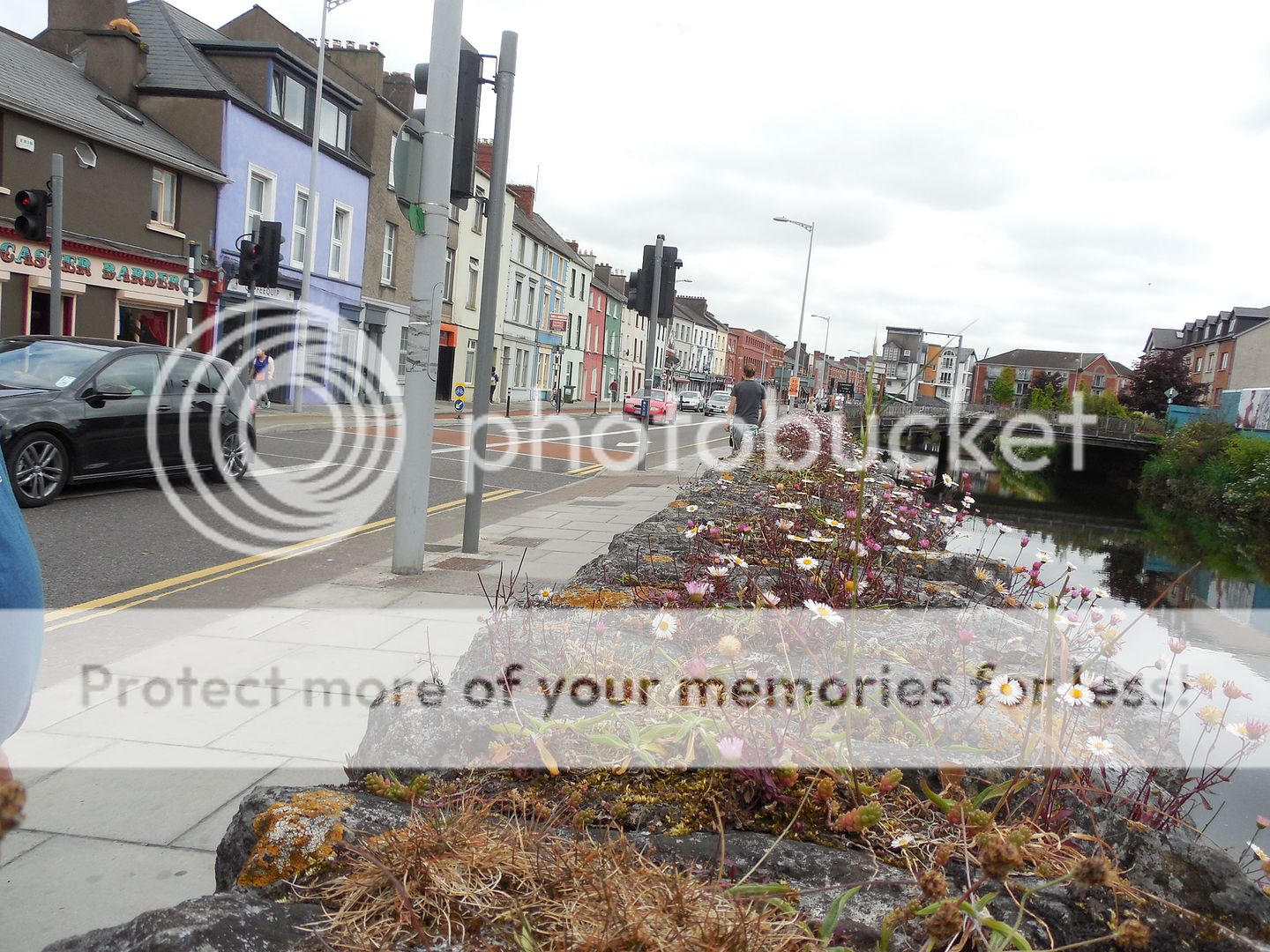
Cork City

Conor Pass, Dingle peninsula, County Kerry

Great Blasket Island
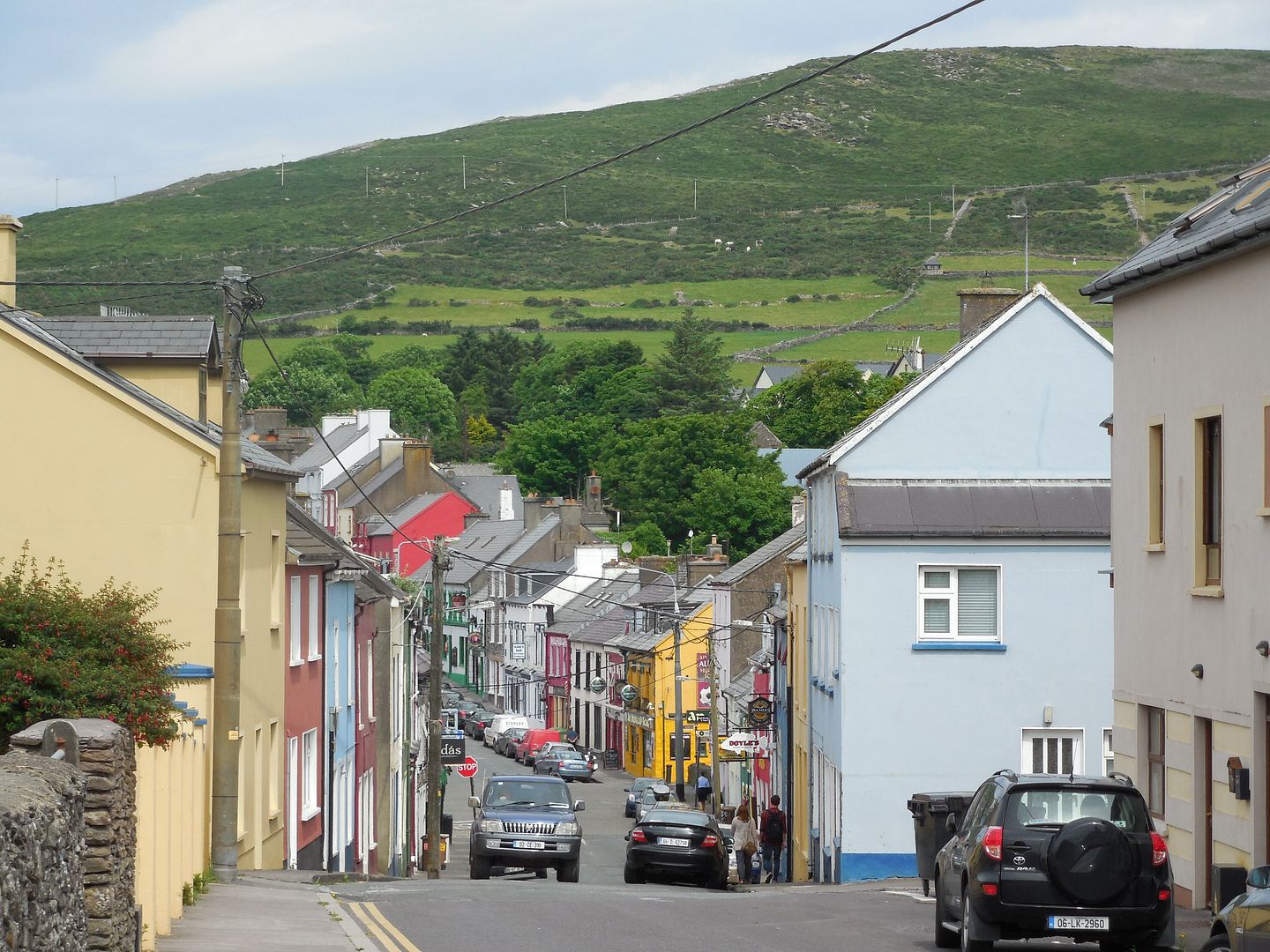
Dingle Town

Ruins of Sligo Abbey, Sligo Town


Parke's Castle, by Lough Gill, County Sligo


Knocknarea, County Sligo
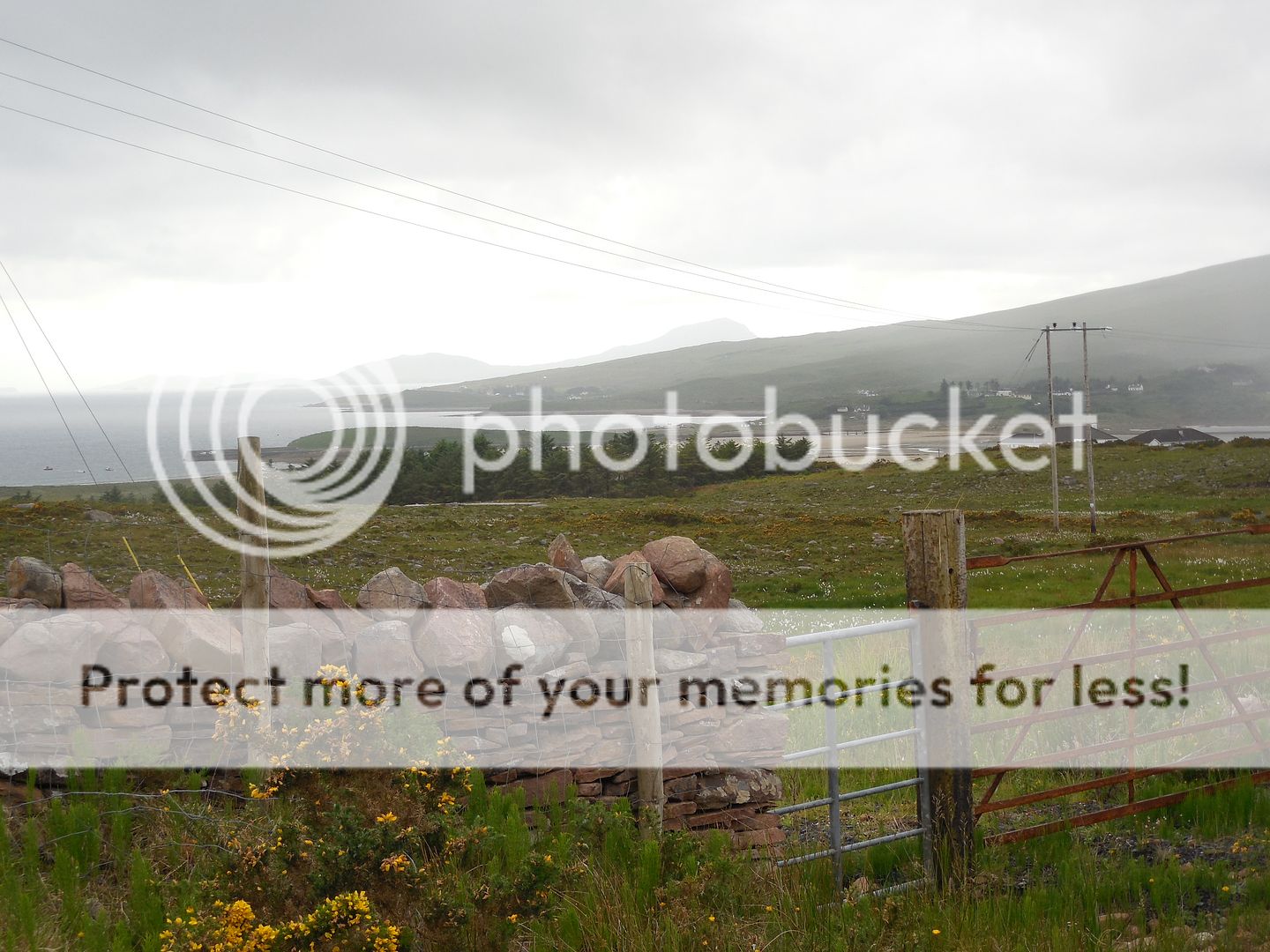
Clew Bay

Tower house, Achill Island

Achill Island

Connemara
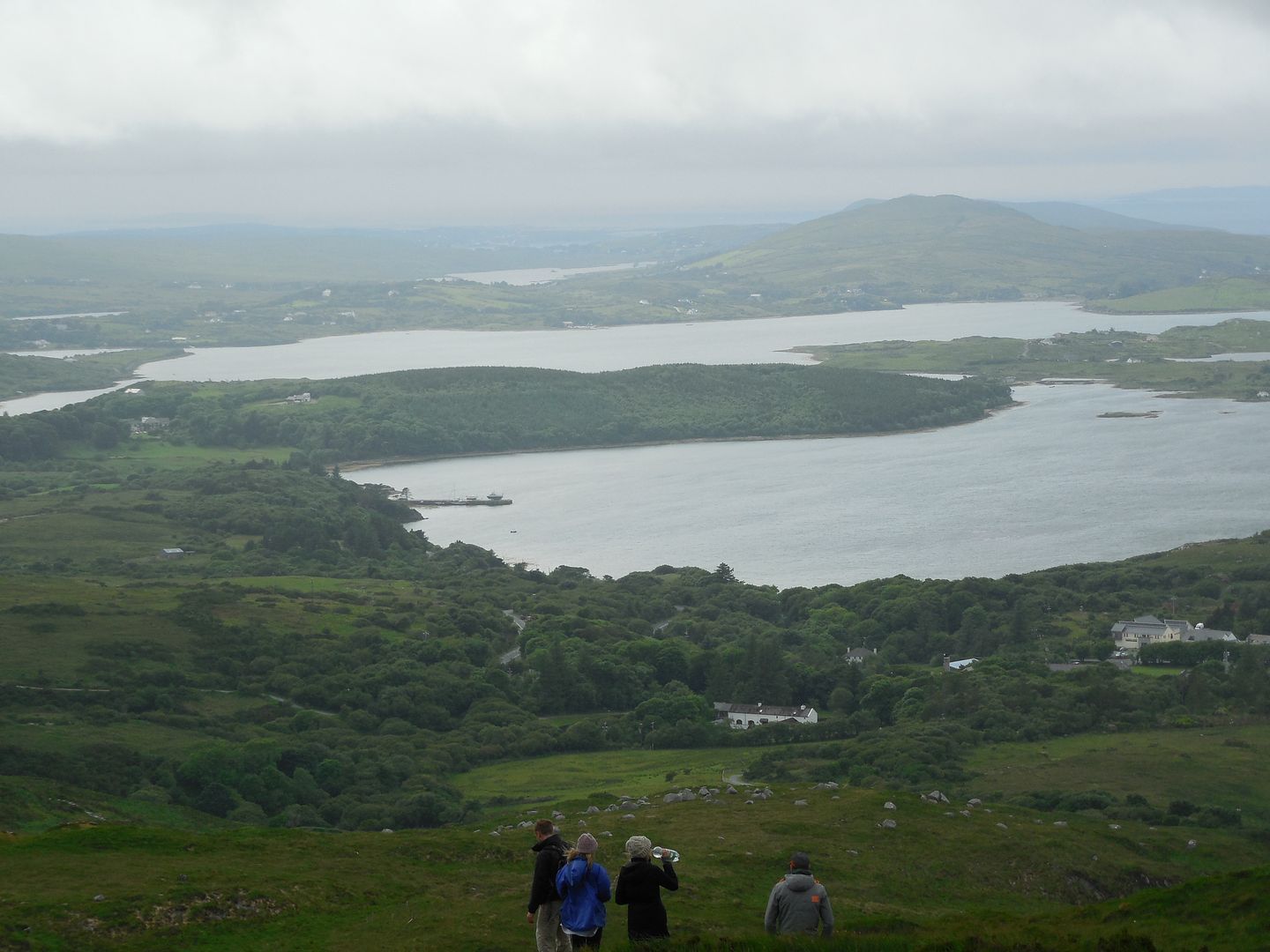
View from Diamond Hill, Connemara National Park

Lough Inagh

Galway City

Graves on Inishmore, Aran Islands

The Cliffs of Insanity! Moher

The Cliffs of Moher
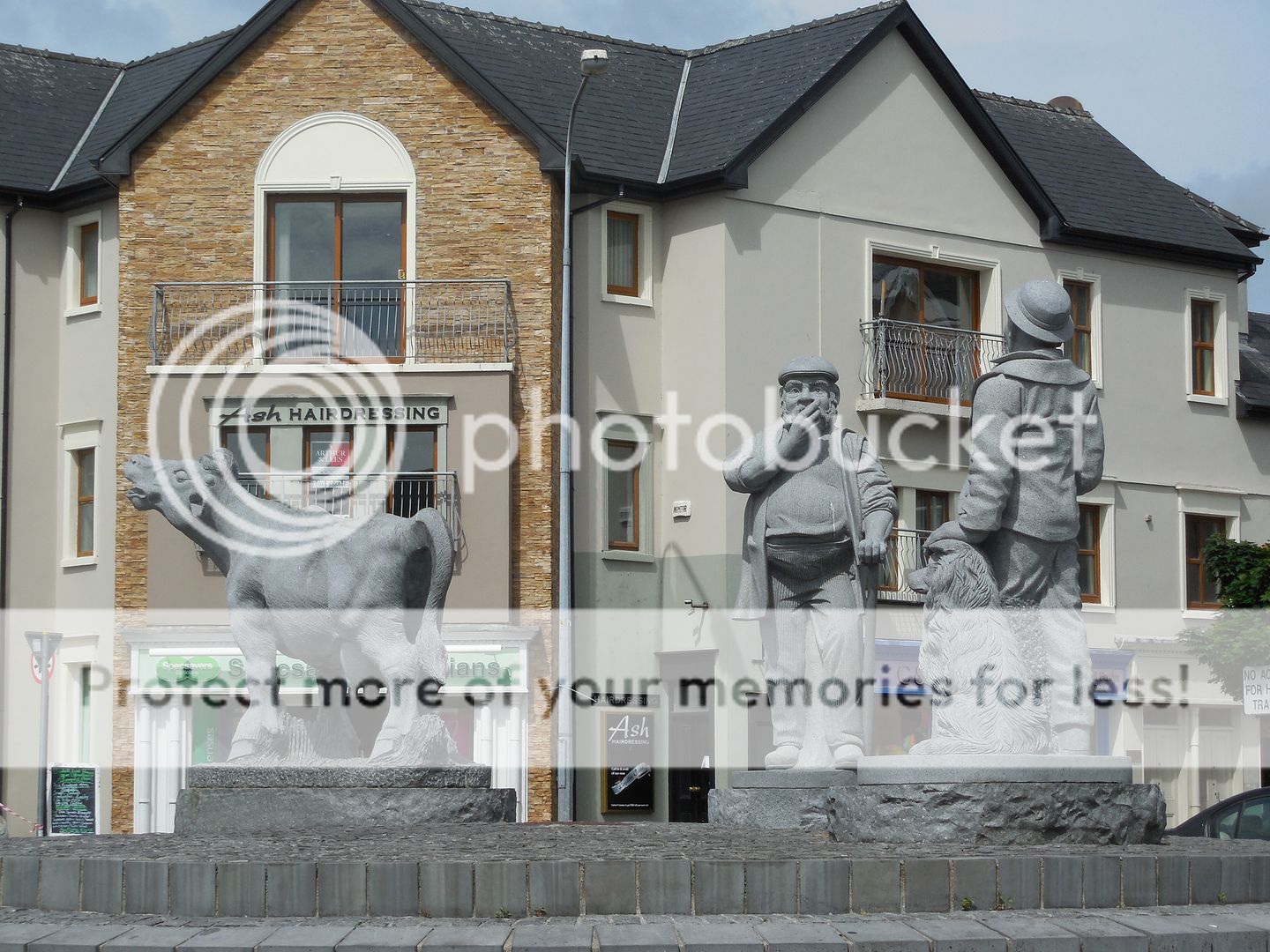
Market Square statue, Ennis
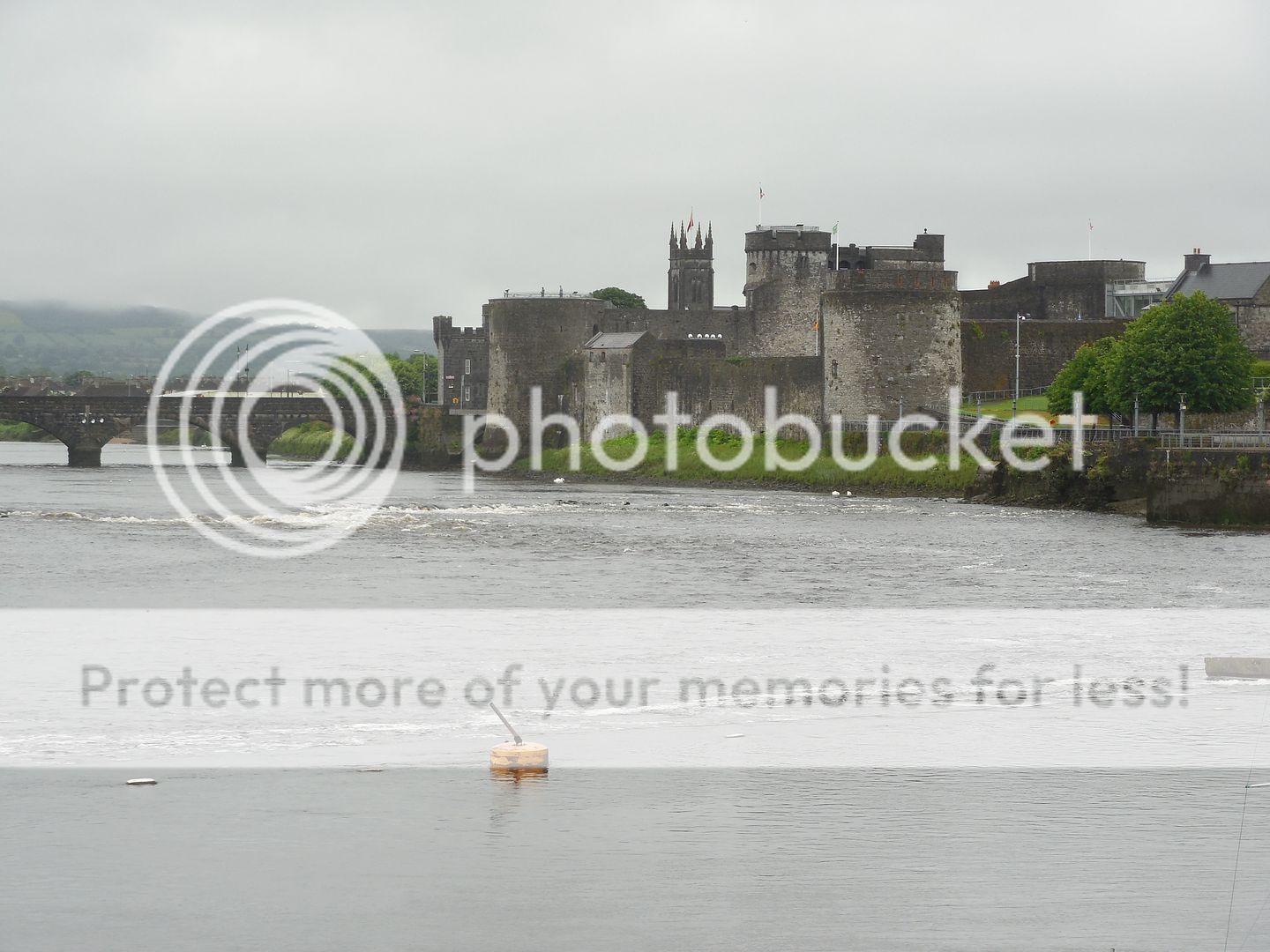
King John's Castle, Limerick City

Saturday, June 25, 2016

My Hard Fun

For some time now, my old pal who goes by the secret identity "B. S. Donovan" has been posting his ongoing progress in Japanese calligraphy--"hard fun" is his excellent phrase. As he's one of my oldest and dearest friends, my reaction is (of course) bitter jealousy and an urge towards one-upsmanship. Unfortunately, I don't have his courage. He's willing to display his baby steps; I hate to confess to anything until it's ready for prime time.

However, his continued success has goaded me beyond endurance. Here's some hard fun of my own. This is a well-known Irish session tune, "The Kesh Jig."
(This is DADGAD tuning. Note to purists: yes, I've transposed from G to D. It sounds better on this guitar.)

Friday, June 24, 2016

The Spirit of '16

[WARNING: politics (Irish, though)]

2016 is the 100-year anniversary of the Easter Rising. If that doesn't ring many bells with you, the short version is that it's roughly the Irish equivalent of Lexington and Concord plus July 4, 1776. Not surprisingly, Ireland is in all-out commemorative mode.

I've just come back from there. I didn't discuss Irish politics, much less sing Irish political songs. It's not my business to visit another country and tell them how to run it, or how to understand its past. Now that I'm back, though, I have some thoughts.

There's a standard narrative of the 1916 Rising. The rebels are heroic visionaries, and their actions--however destructive in the short term--are ultimately justified by History. The corollary is that there was no better way to achieve this righteous outcome.

It's always comforting to believe this sort of thing. We Americans have a similar standard narrative. Here's one difference, though: the American Revolution was a revolution of ideas*. We didn't invoke a mystical moral right of nationhood based on territory or ethnicity or identity. We invoked, rather, an idea--the idea that monarchy is wrong in principle. We didn't just reject what Britain was doing; we rejected the philosophical basis for doing it.

Reading the Proclamation of the Irish Republic, I see an assertion of an ethnic identity. I see a rejection of all things English/British. I see a lot of (justified) anger at centuries of British misrule and colonialism and exploitation**.
We declare the right of the people of Ireland to the ownership of Ireland and to the unfettered control of Irish destinies, to be sovereign and indefeasible. The long usurpation of that right by a foreign people and government has not extinguished the right, nor can it ever be extinguished except by the destruction of the Irish people. In every generation the Irish people have asserted their right to national freedom and sovereignty; six times during the past three hundred years they have asserted it in arms. 
What I don't see is any assertion of principle. And that bothers me. In the century since 1916, we have seen too much cruelty based on metaphysical ethnic nationalism. Isn't this at least veering towards the principle of Volksgeminschaft? Irish = Not-British = Good, which in turn means that British = Evil, which in turn justifies anything.

That wasn't the majority position at the time, either. From what I've read, the most popular Irish political parties in 1916 weren't separatists at all; they were advocates for Home Rule (now known as devolution). In other words, there plenty of people were willing to believe that they could be both British and Irish.

They may have been wrong. The government response to the Easter Rising convinced many of them that they were. 
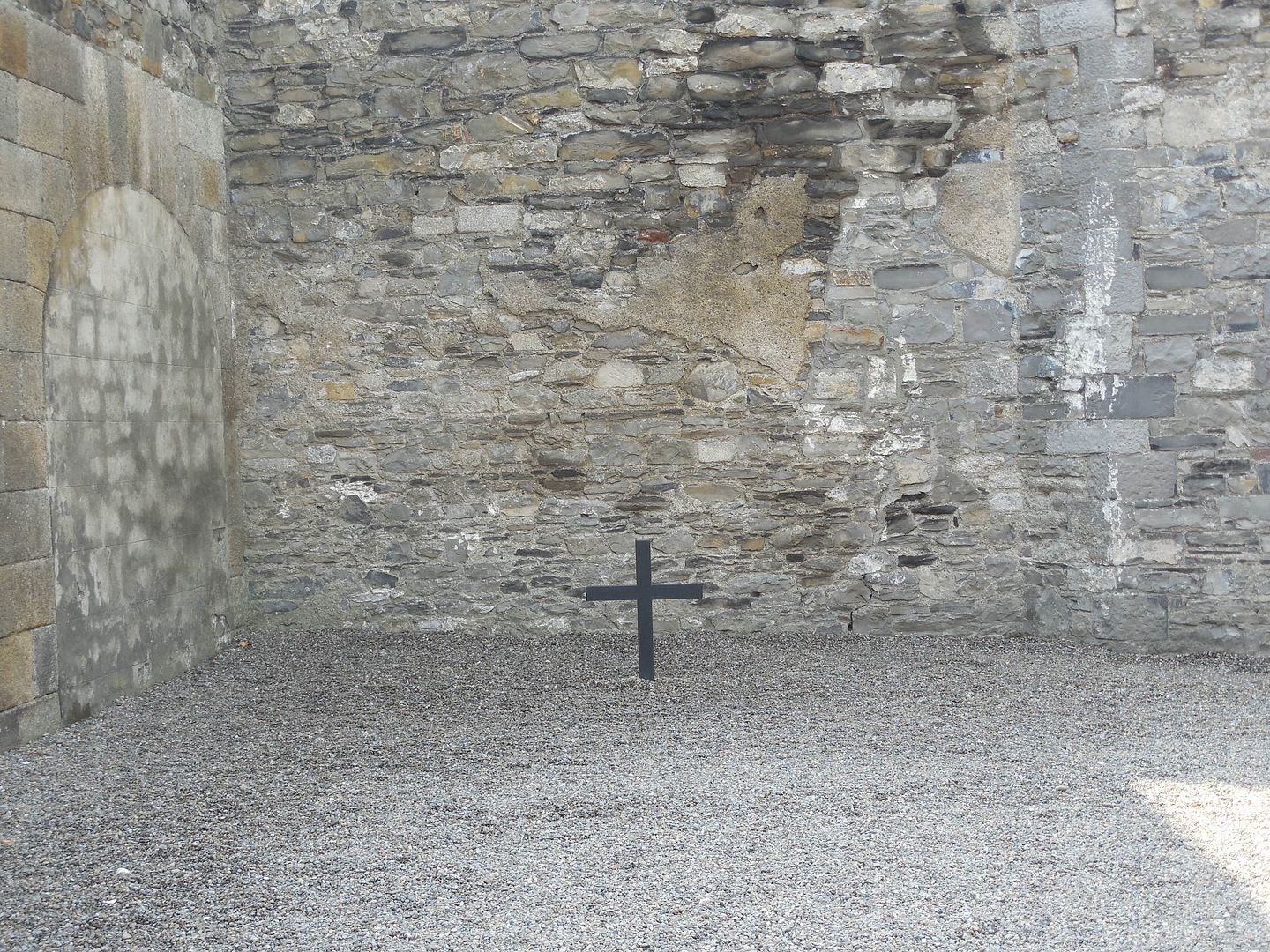
Kilmainham Gaol, Dublin

Still, as an American, I'm comfortable with the notion of a hyphenated identity. And as a reader of history, I don't buy the dictum that "war is the continuation of politics by other means." Political violence is failure. That's true in 1776, 1916, 1861, 1914, 1939 ... Sometimes, perhaps, the failure is inevitable; but inevitable failure is failure nonetheless.

*Yes, I am vastly oversimplifying here. I don't mean to imply that every Minuteman was a political philosopher, or that the public at large was motivated entirely by an abstract desire for a more just society. In every war, individuals fight for a wide variety of reasons. There is also a collective purpose at work, though, and it makes a difference.
**British practice and policy in Ireland were infinitely more destructive than anything that happened in the American colonies. Religious persecution, prejudice, social stratification, administrative incompetence, broken treaties ... you could cogently argue that Britain had already forfeited any moral right to exercise authority over Ireland. By contrast, Americans in 1775 were already the free-est, least-taxed people on earth.