Showing posts with label Travel. Show all posts

Wednesday, August 14, 2019

Random Impressions From a Visit to Japan

Bear in mind that these are the product of a single trip, covering a mere two cities and eleven days. Don't expect deep analysis here.
  • If you go, endeavor to go sometime that is not June, July, or August. June is the rainy season; July and August are brutally hot and humid.
  • Reports of Japan being ferociously expensive are grossly exaggerated. A good hotel room in Kyoto, right across from the Imperial Palace gardens, cost us $85/night. Perfectly decent meals can be had for $10 or so.
  • You could scrape by with no Japanese, although you'd be pretty limited in what you could accomplish. 
    • Transportation, even city buses, displays enough English to let you know where you are and where you're going. 
    • The general level of English proficiency is not very high, but people in public places--hotels and train stations, for example--tend to know just enough to do their job. 
    • Menus usually have pictures. Point. You can say "kore o kudasai" ("this, please") if you want.
    • Buying stuff at a cash register is the same everywhere: look at the number, fork over the cash.
    • Museums and attractions mostly have text and/or audio in English, although it's not always extensive.
  • Take some time to study how the transit systems work before you go. For example, on the subways and trains in Tokyo and Kyoto, you look at a map and find the station you're going to; that tells you what you need to pay for a ticket.
  • Taxis are easy to find and not particularly expensive.
  • Japan is a modern, wealthy, industrial country. Don't expect to be overwhelmed with the exoticness of it the moment you get off the plane. If you look for cultural differences, you will certainly find them; you will also find many similarities.
  • Tokyo is a modern business-oriented city with no particular character but plenty to do. Kyoto is not particularly beautiful or ancient in its streets and urban fabric; its setting is gorgeous, however, and it's positively ringed with splendid temples and shrines of every description. 
  • You could eat nothing but western food, if you insisted.
  • Many Japanese, in interacting with you, will behave as if doing so were the most wonderful thing that's happened to them for the last month. You should reciprocate, at least to the extent of not being a boor. Learn, at minimum, the rudiments of polite Japanese expressions: "sumimasen" ("excuse me"), "arigatou gozaimasu" ("thank you very much"), and so on.
Photos to follow.

Wednesday, July 31, 2019

Travel Advisory

It is well known that the movie Jurassic Park was filmed on Kaua'i. What is less well-known, doubtless because the tourism industry is engaged in a massive cover-up, is that the movie is based on fact. I, personally, have seen it with my own eyes: the island is overrun with dinosaurs. Here is a typical example, clearly in threat-response mode:
Even more alarmingly, the dinosaurs have learned to associate humans with food. Here, a pack threatens my wife:
Stay safe, people.

Thursday, April 19, 2018

Postscript

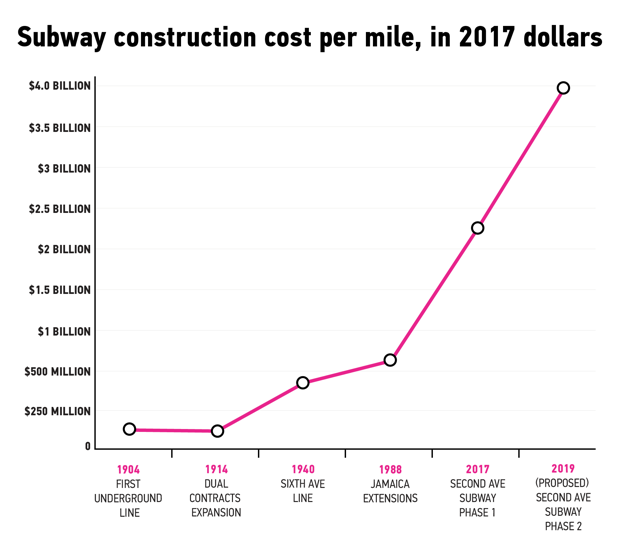
As an addendum to my recent cri de coeur, I offer this chart:
Note that this chart is inflation-adjusted. I took it from this article, which is well worth reading.

Monday, April 9, 2018

Book Review: Tiny Stations

Tiny Stations: An Uncommon Odyssey Through Britain's Railway Request Stops
Dixe Wills
Trains, travel

It's even more like the usual than usual. To appreciate Tiny Stations, you'll need:
  • A high tolerance for a peculiarly English form of arch humor. Possibly Dixe Willis was savaged by Bill Bryson's Notes From a Small Island at an impressionable age, but he raises smiles where Bryson achieves guffaws.
  • At least a passing familiarity with the British landscape. Tiny Stations is entirely undefiled by color photographs, and the few black-and-white images are small and a bit grainy. In a book that's more or less defined as "what I saw when I got off at Little-Snoodlington-in-the-Quagmire", good visuals are a must.
  • A deep affection, not merely for trains--any fool could have that--not merely for train travel, but for the idea of train travel. Taking train trips can be jolly good fun. Reading about other people's train trips is not an endeavor that should be undertaken without plenty of time and a high tolerance for discursiveness.
There must be other people on this side of the Atlantic with all three qualifications, but probably not many of them. I liked Tiny Stations fairly well, actually, but it's possible that you actually must be of the British persuasion to fully grok this style of thing. A people who continue to believe, in the face of all common sense, in the existence of a sport ("cricket") which includes "full bungers", "silly midwicket", and "googlies" are clearly made of sterner stuff than you and I.

I should add, furthermore, that a relaxed attitude towards strict factual accuracy might be of assistance here. Wills swallows some blatantly urban-legend (or actually rural-legend, but it's the same thing really) anecdotes without a blink, and his personal commitment to truth in the face of a good story is open to question--he questions it himself. 

If you're one of the dozen or so Americans whose response to the above is "Well, I've got to read that!", please drop me a line, if your ward attendants are willing. We'll have a lot in common.

Wednesday, January 31, 2018

Book Review: To the Edge of the World

To the Edge of the World: The Story of the Trans-Siberian Express, the World's Greatest Railroad
Christian Wolmar
Trains, travel, history

There are books about trains that aren't meant mainly to appeal to train fanatics. It's just that there aren't that many of them. To the Edge of the World, while perfectly decent, doesn't add to their number.


Christian Wolmar really knows his stuff. His stuff is trains. Train transportation, train travel, train infrastructure, train history, train politics, train finance . . . it's all here. He's got a lot of scope, too. The construction of the Trans-Siberian touches everything from the abolition of Russian serfdom to the Russo-Japanese War to the settling of Siberia. All of it finds its way into To the Edge of the World.

There are some writers--John McPhee; Simon Winchester, on his better days; Stephen Johnson, maybe--who could take that material and run with it. They could maybe turn the Trans-Siberian Railway, which is already the spine of a nation, into the spine of a wide-ranging book. That's not Christian Wolmar's way. He sticks to his tracks.

Nor will the writing seduce you; Wolmar's prose is more stately than sparkling. He has a habit, too, of serving up substantial helpings of other authors' writing. Sometimes this works. He's unearthed some accounts from contemporary travelers which are eye-poppingly vivid, for example, and he knows how to use them. All too often, though, he lapses into "As was so ably pointed out by Schmendrickhausenstimpfel, in his classic Geschicte der Rechtsschutzversicherungsgesellschaften . . . " Who's writing this book, anyway?

The thing is, the railway itself really was an astounding achievement. We American train nuts get all het up about our own first transcontinental railroad (completed in 1869). Well, the Trans-Siberian is almost three times as long, and built by a less-developed nation over a much harsher and emptier landscape--using mainly muscle power. It's probably fair to say (and Wolmar says it well) that everything about Russia would be different without the railway. As a book about trains, then, To the Edge of the World is worthy. As a book about anything else, it's a good book about how anything else was affected by trains.

Glorious Misadventures is set well before To the Edge of the World gets underway, but nothing much about the looking-glass world of Russian imperial politics seems to have changed in the meantime.

As Wolmar points out, the best comparison for the Trans-Siberian Railway isn't the United States, but Canada. The Impossible Railway, by Pierre Berton, is an excellent book about the building of the Canadian Pacific. At least, it's excellent for us train fanatics. It's probably very good for the rest of you, too.

Friday, March 24, 2017

The West: Arches and Canyonlands

Double Arch, Arches National Park
Landscape Arch
Delicate Arch
La Sal Mountains
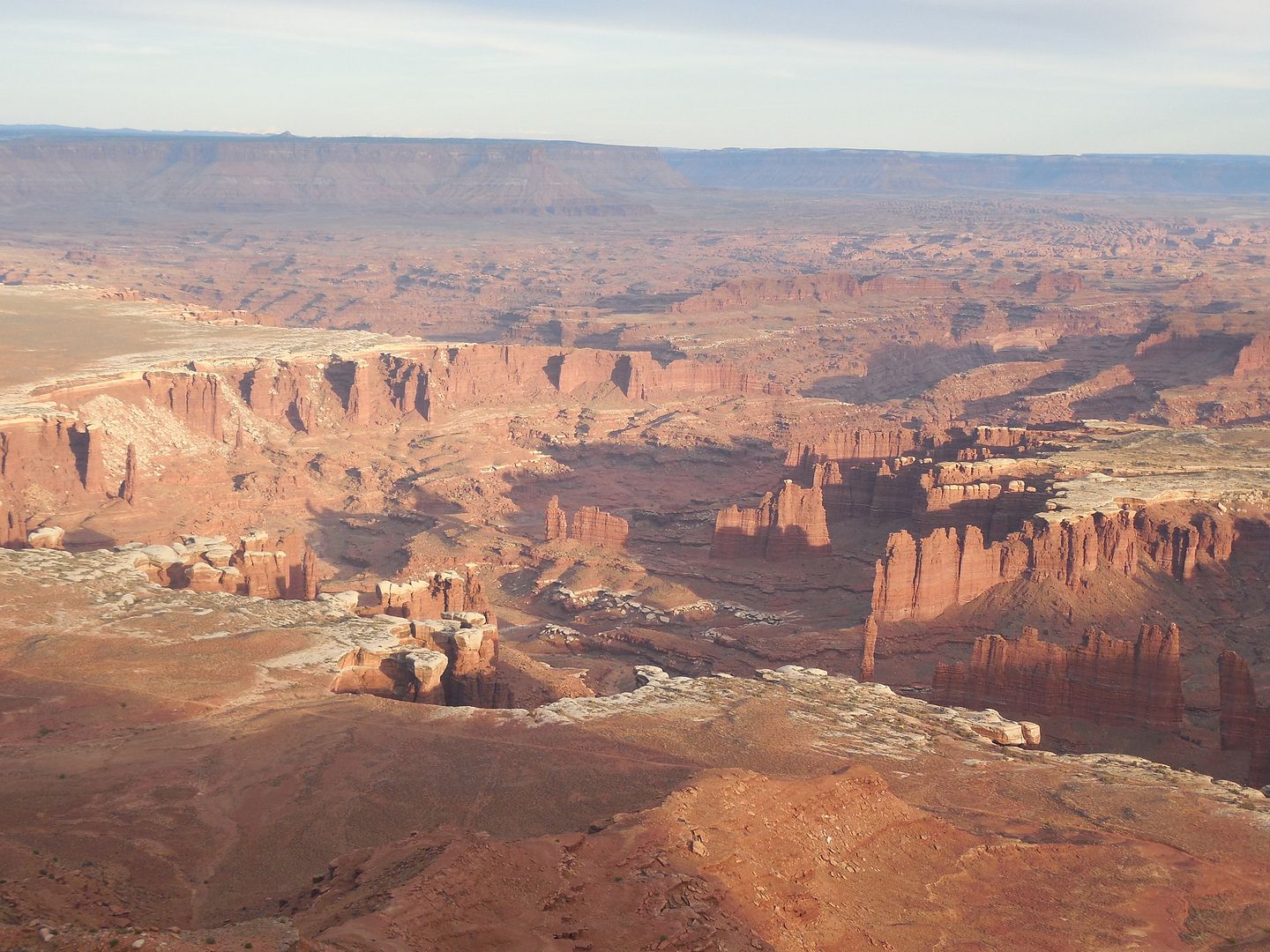
Grand View Point, Canyonlands
Canyons and badlands
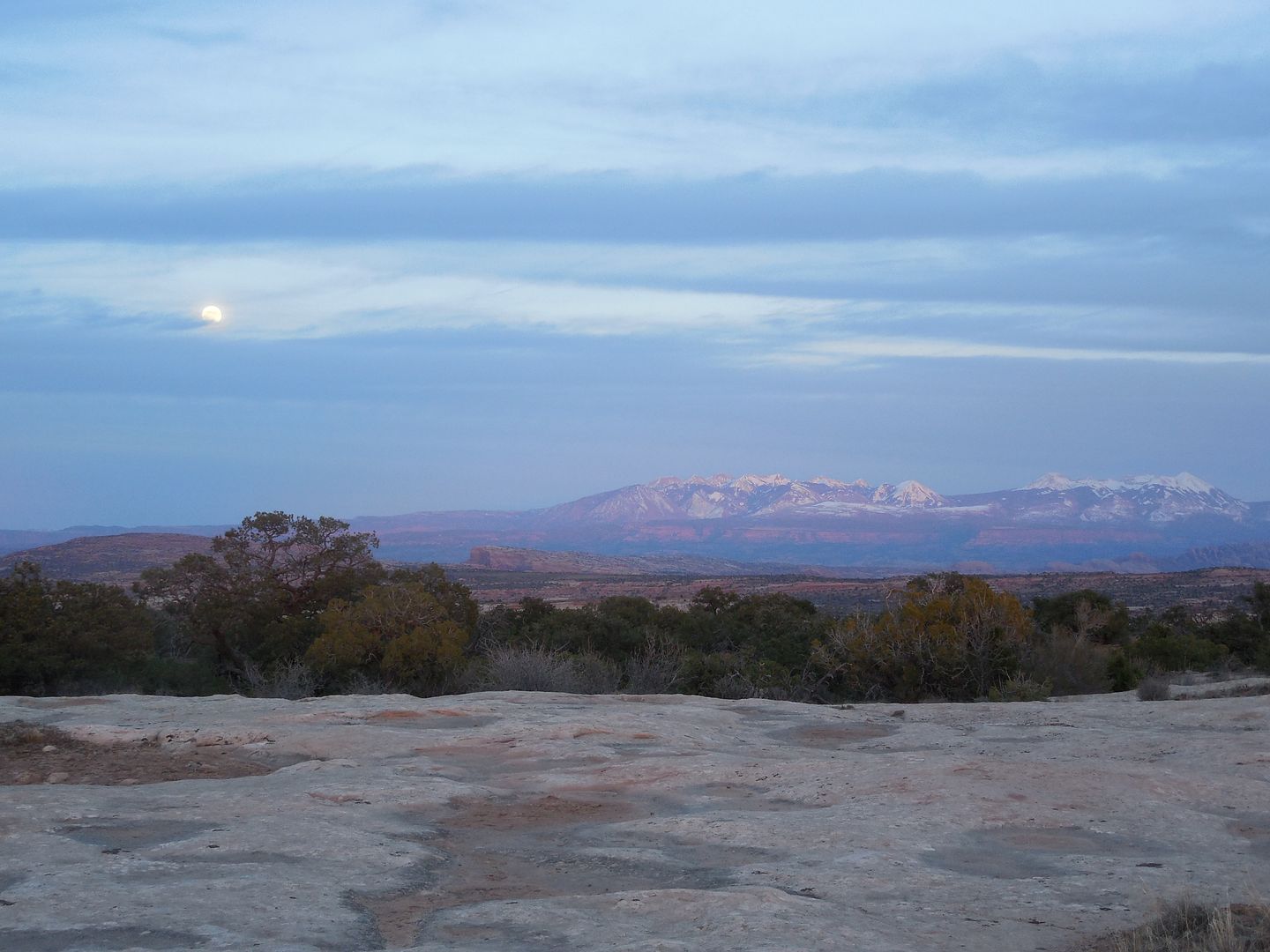
Moonrise

Wednesday, March 22, 2017

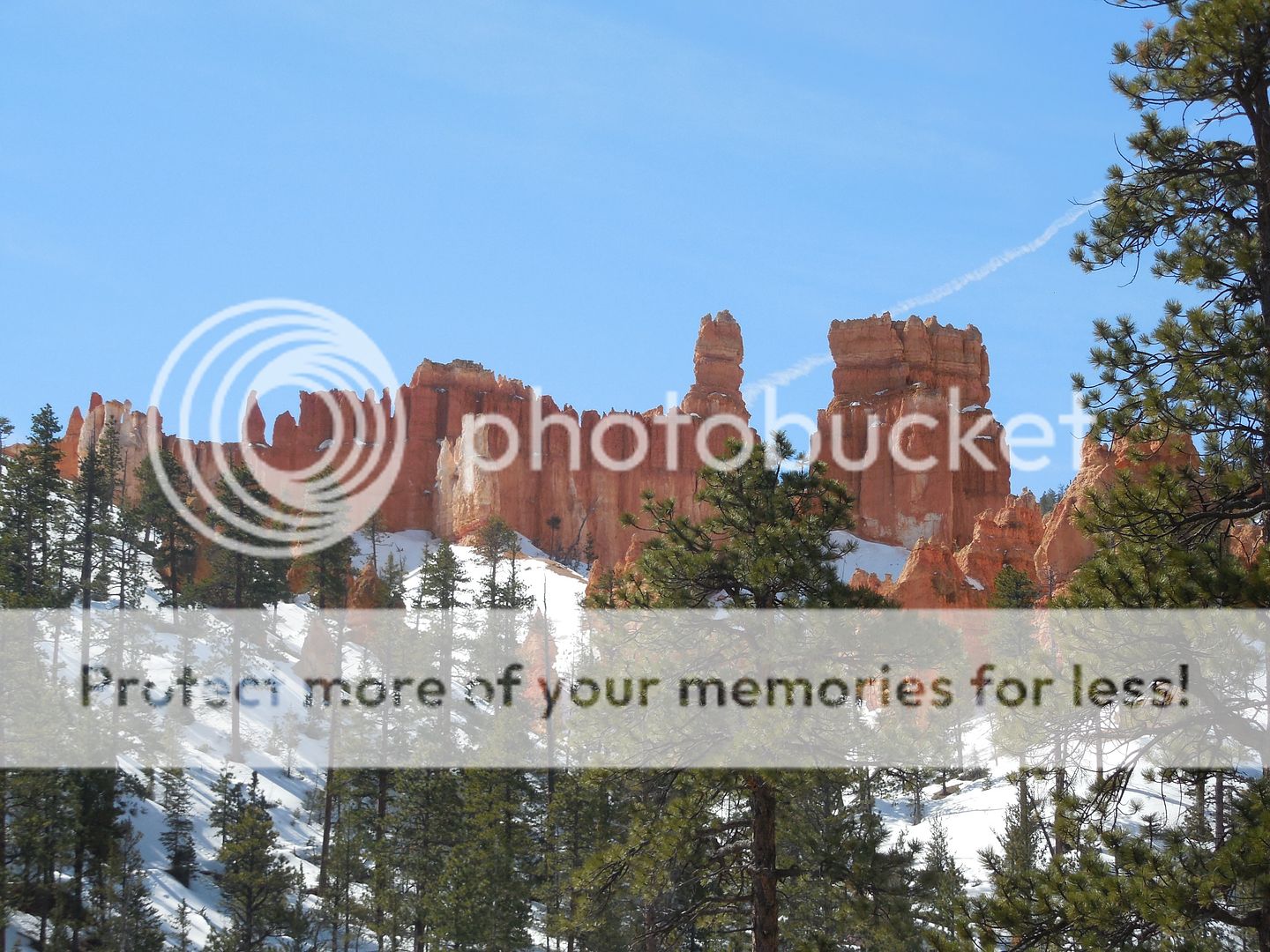
The West: Bryce Canyon

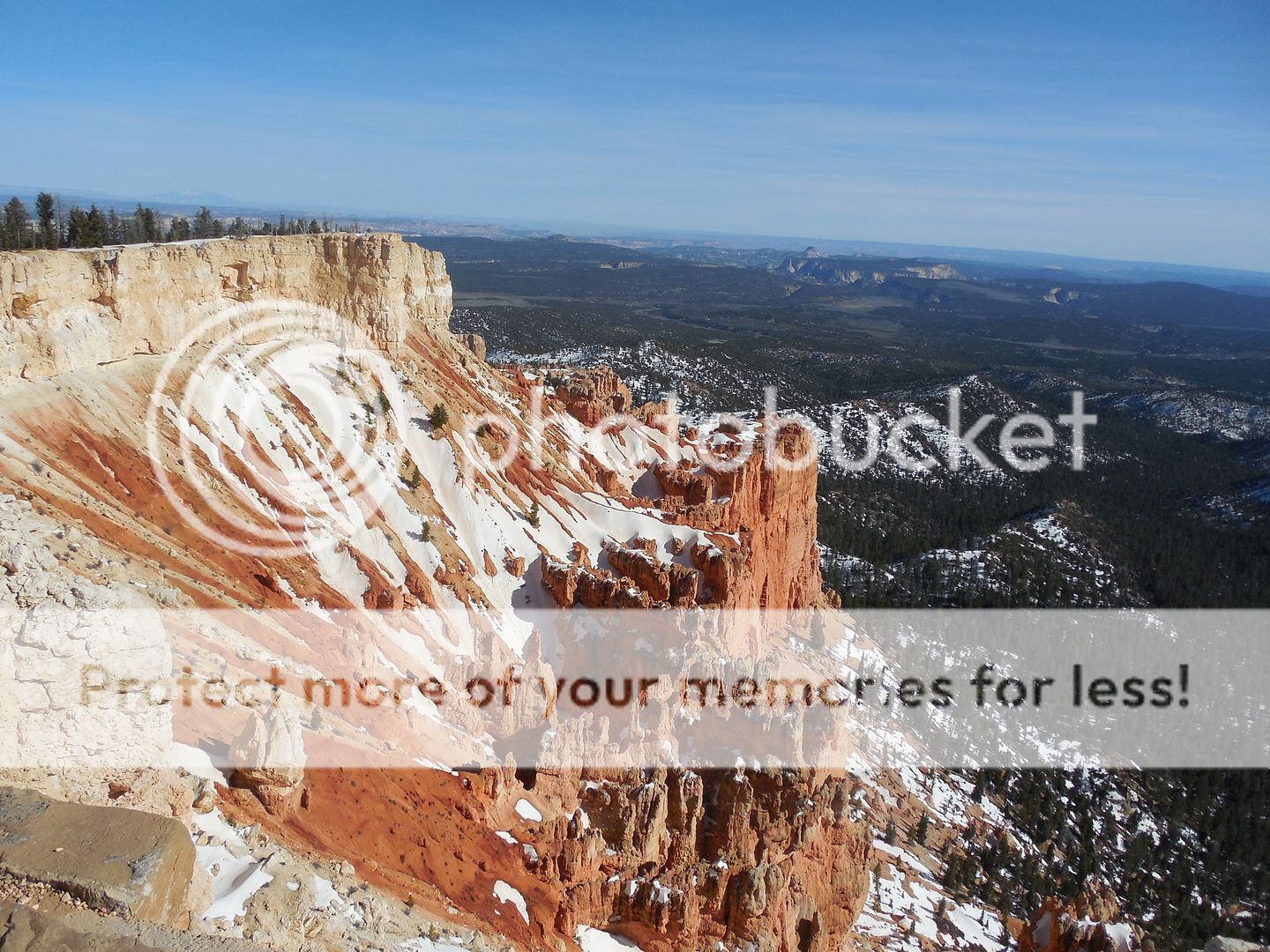
The amphitheater
Rainbow Point (elevation 9115')
Hoodoos
Queen Victoria (left)
Hoodoos from the hiking trails
Late afternoon
Sunset
Sunrise

Monday, March 20, 2017

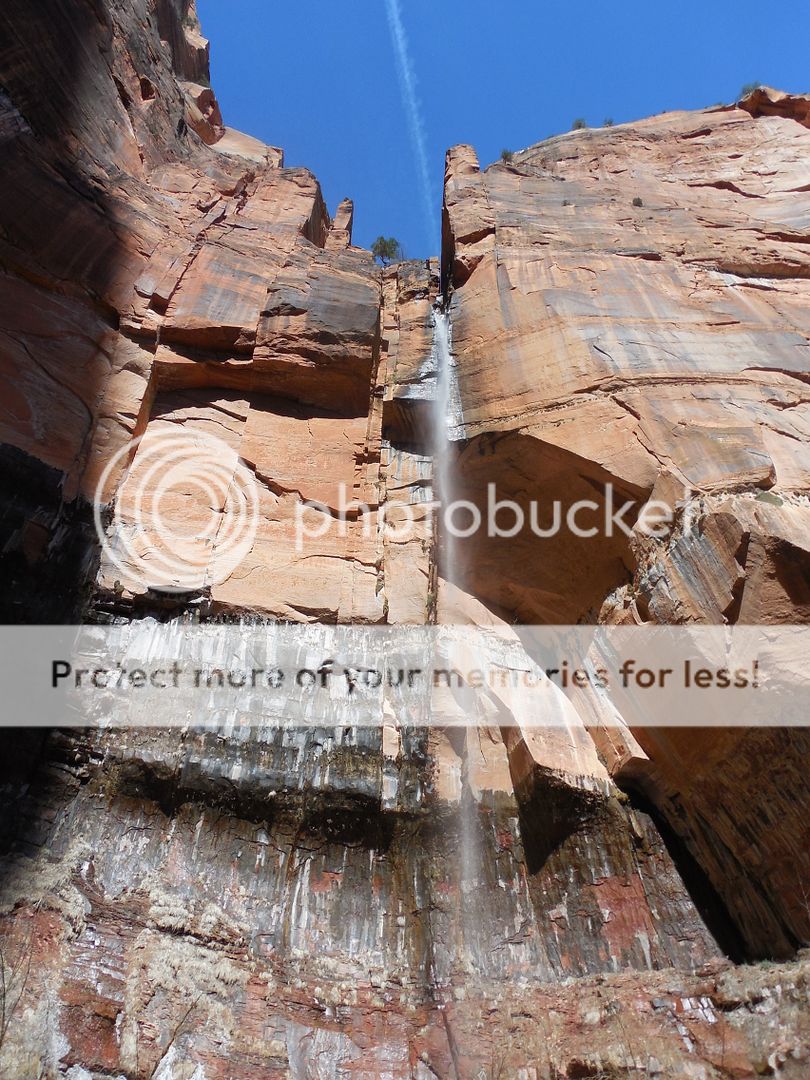
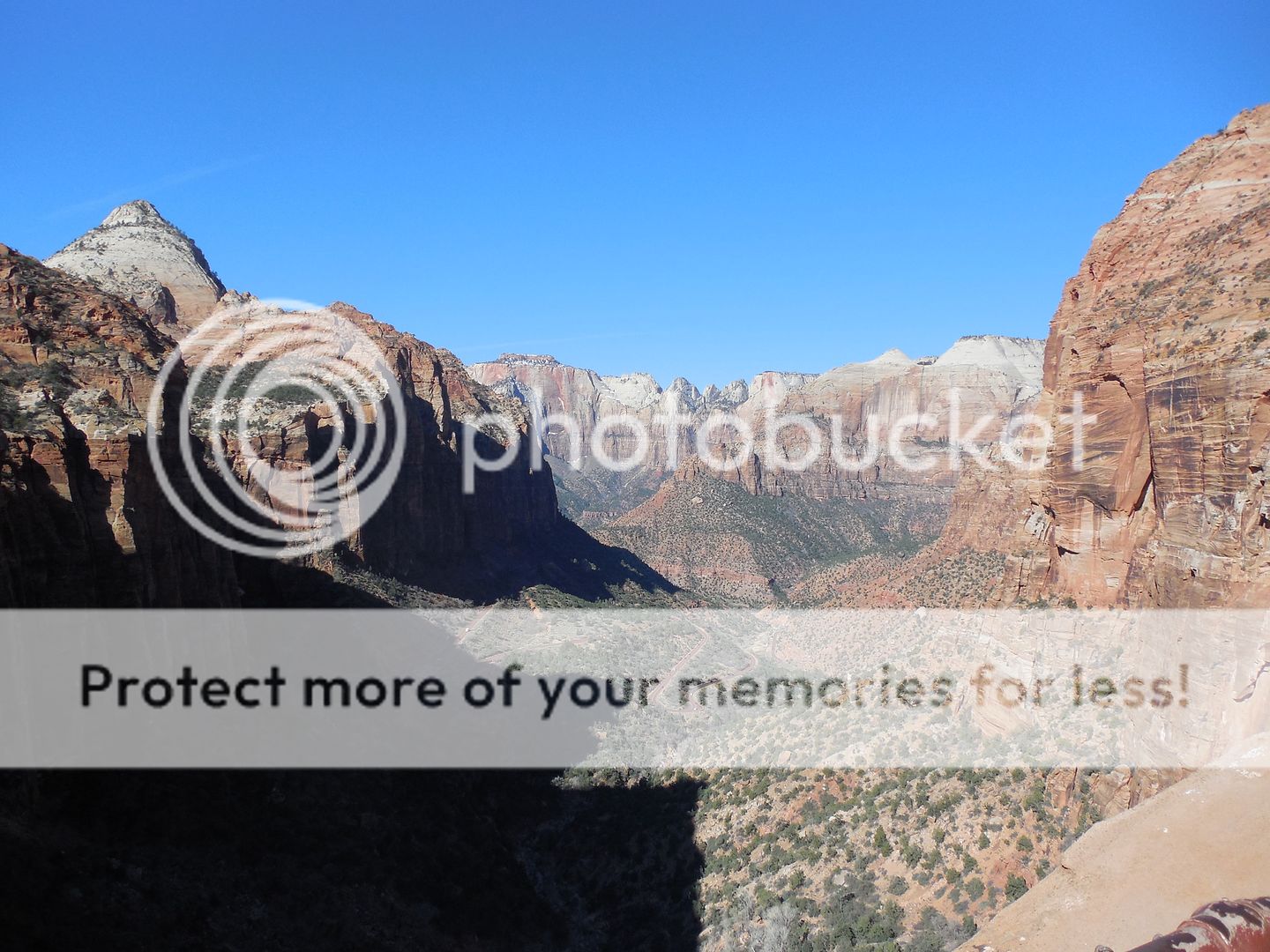
The West: Zion National Park

The Narrows
Virgin River
Upper Emerald Pool
Canyon floor from the West Rim
Canyon wall
Looking back from the park's east entrance
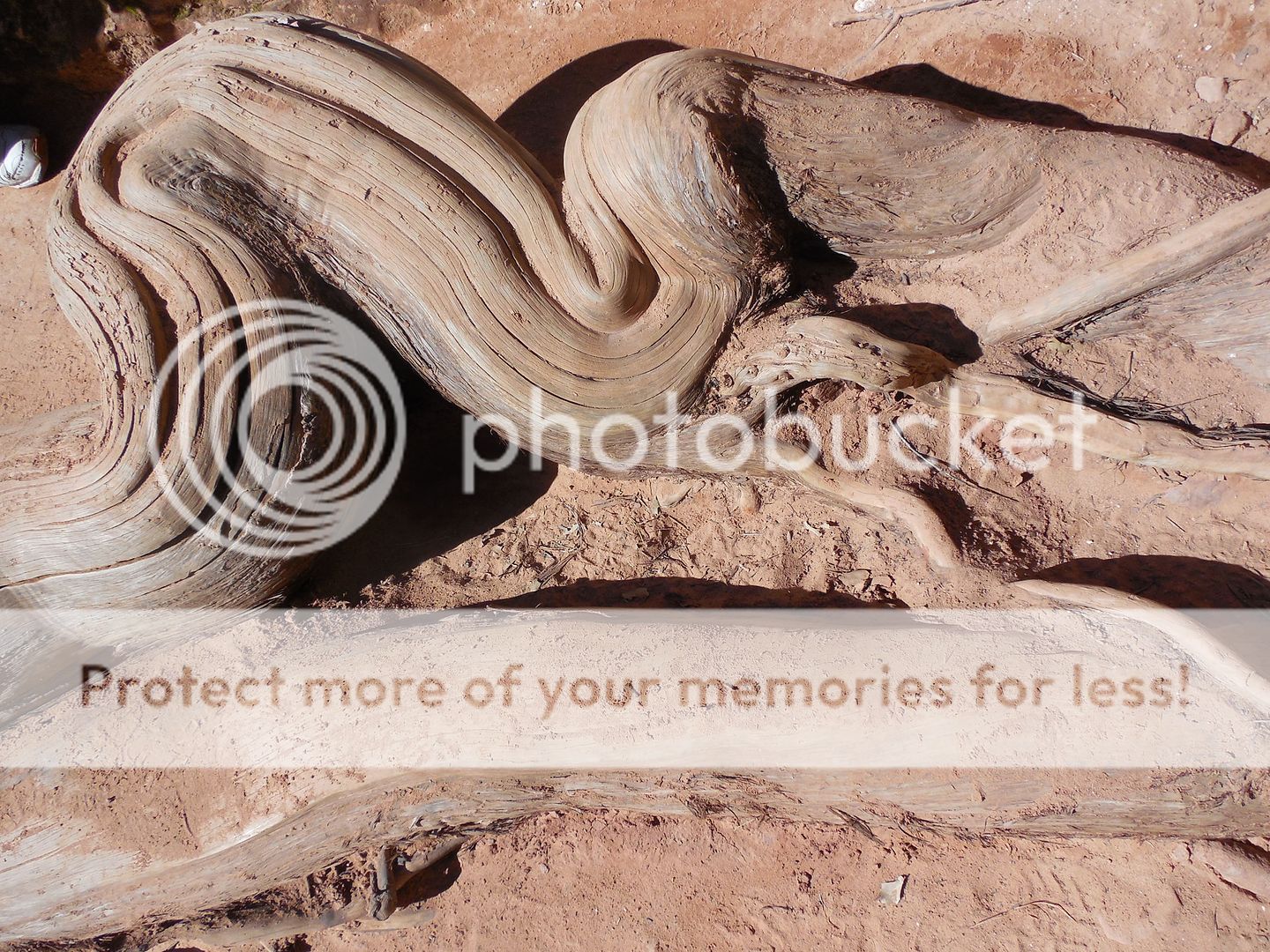
This is what happens to trees out there


Tuesday, June 28, 2016

Ireland


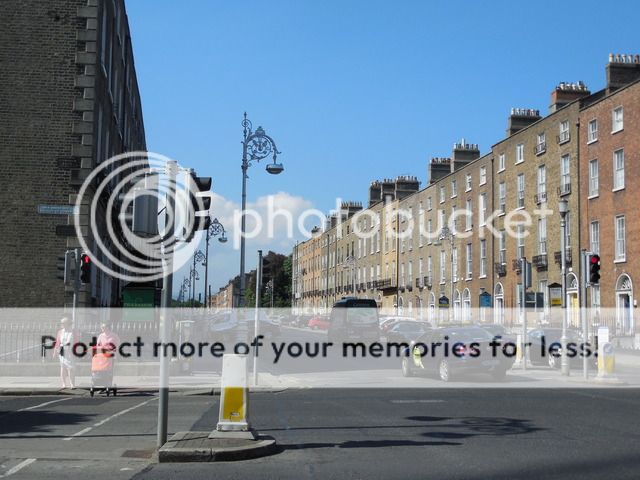
Georgian houses, Dublin

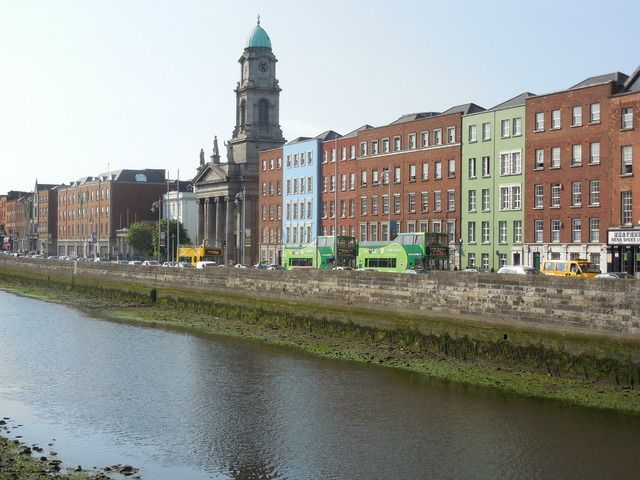
River Liffey, Dublin

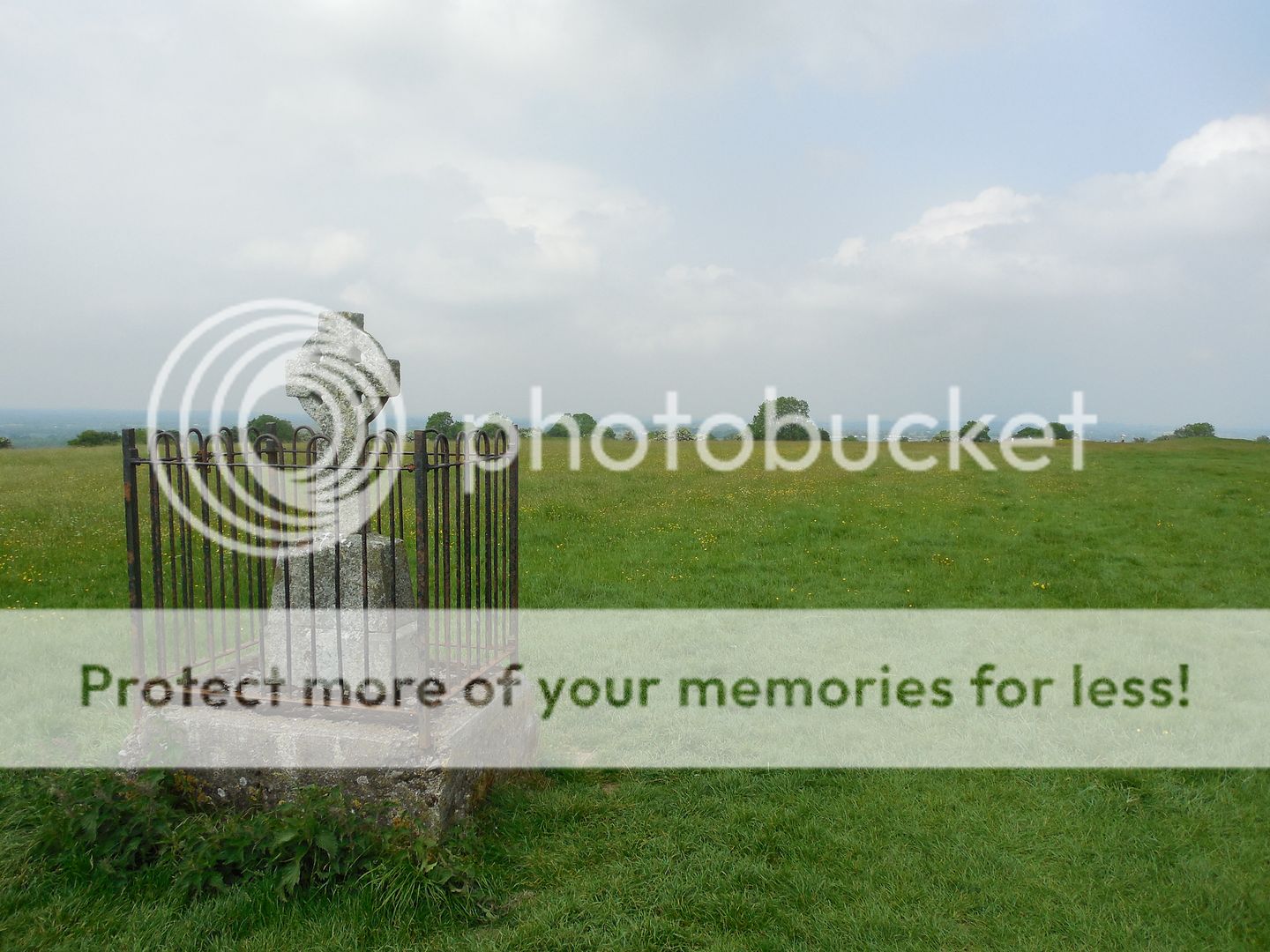
The Hill of Tara

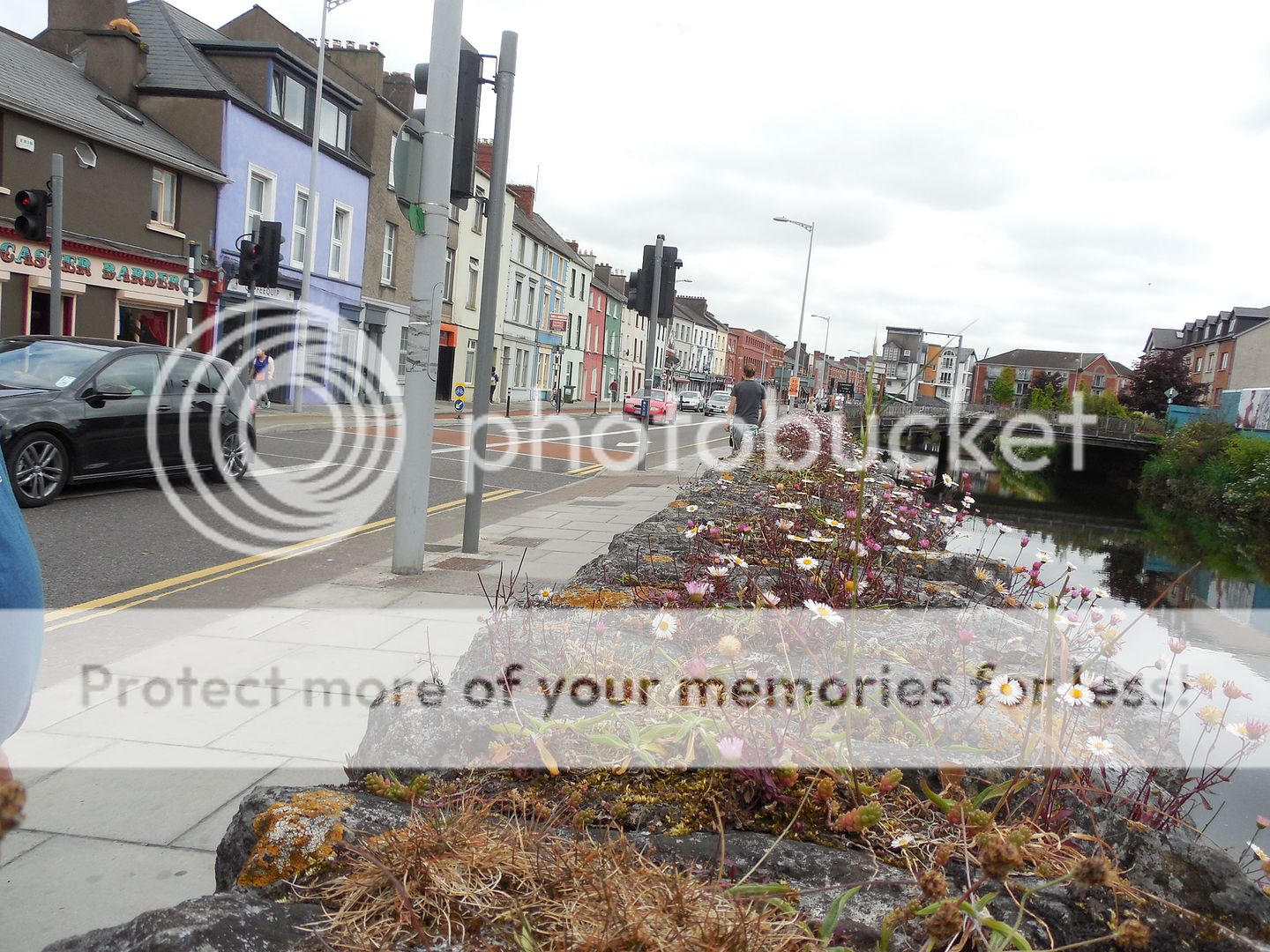
Cork City

Conor Pass, Dingle peninsula, County Kerry

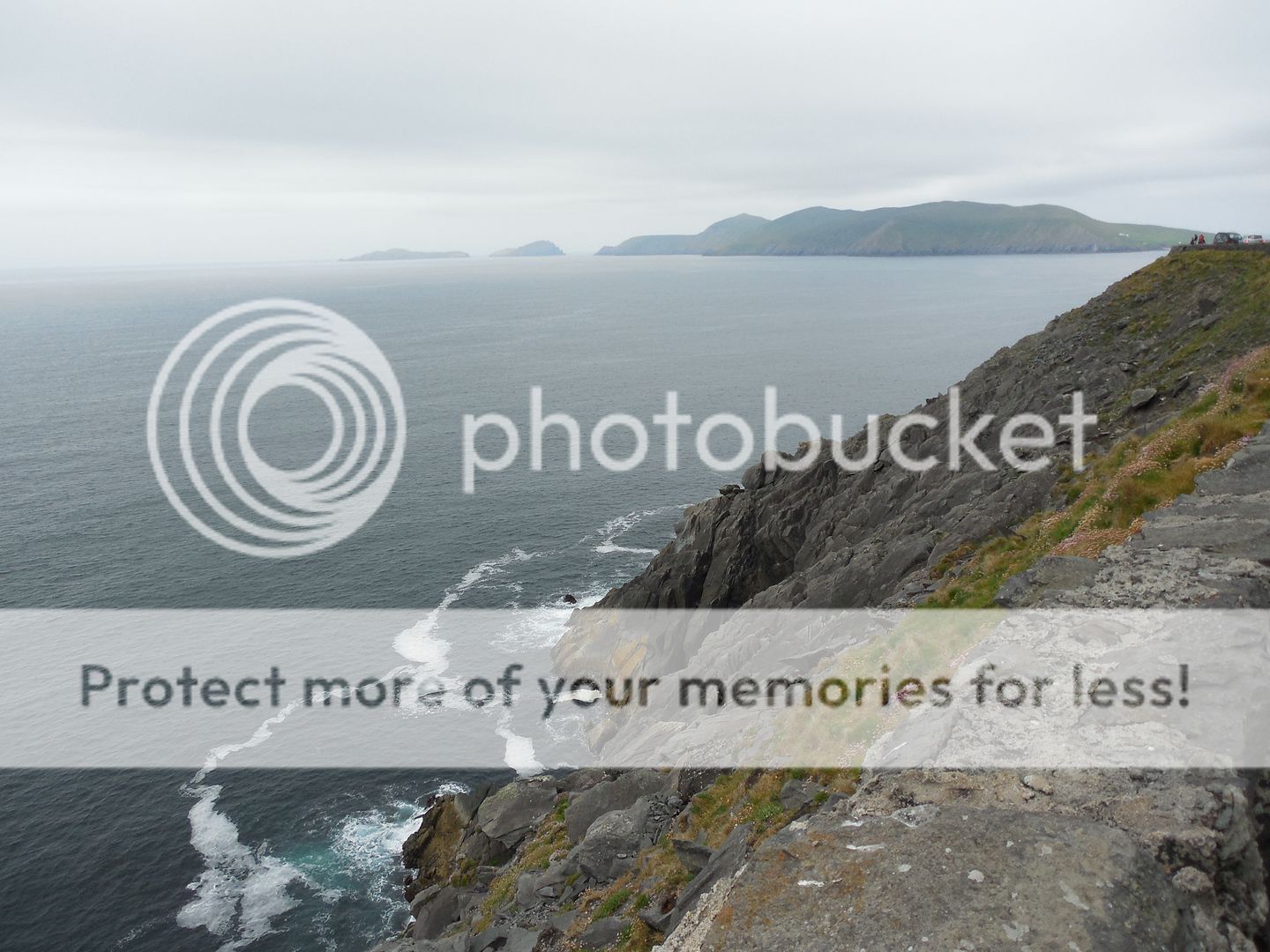
Great Blasket Island

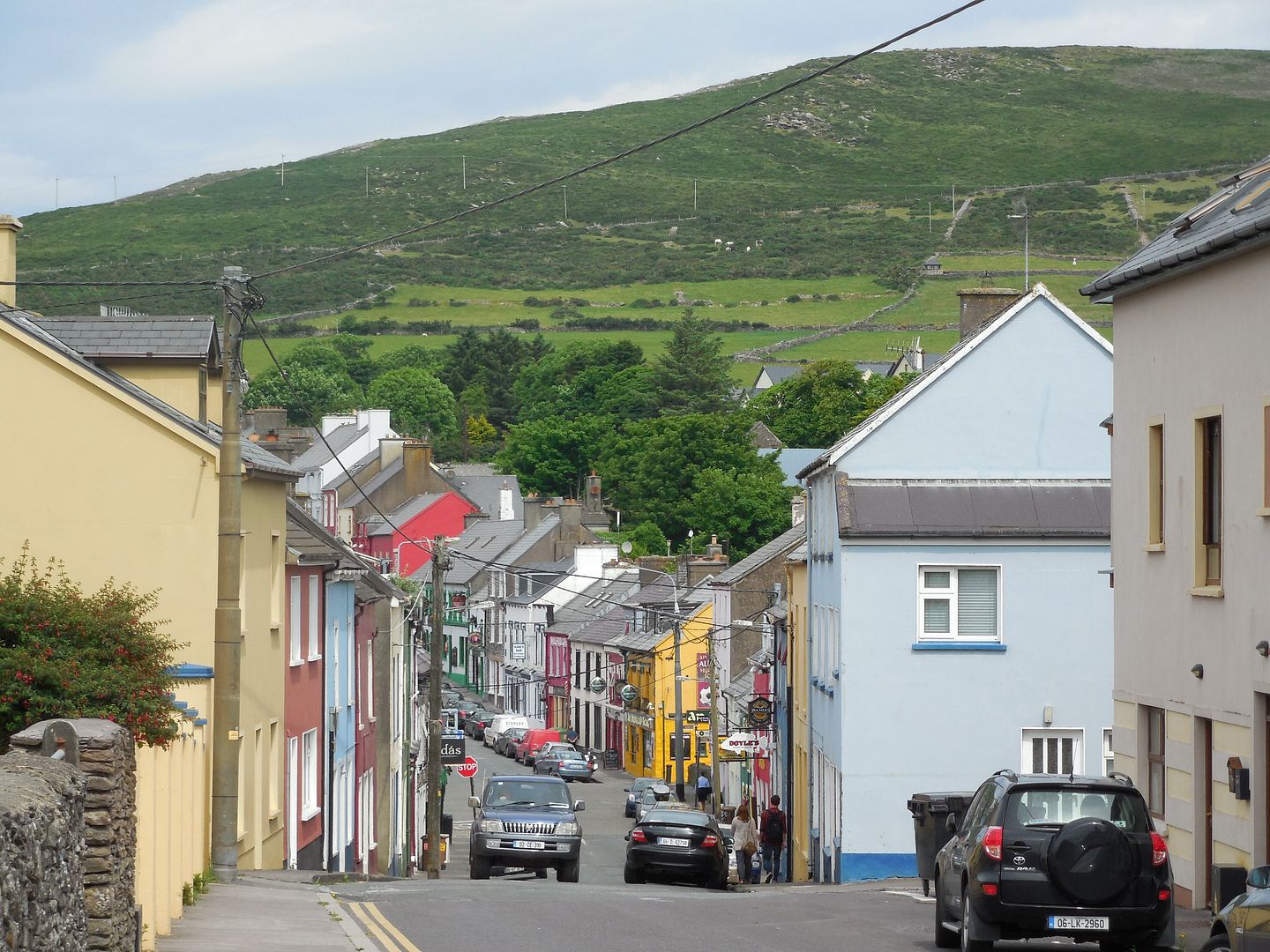
Dingle Town

Ruins of Sligo Abbey, Sligo Town


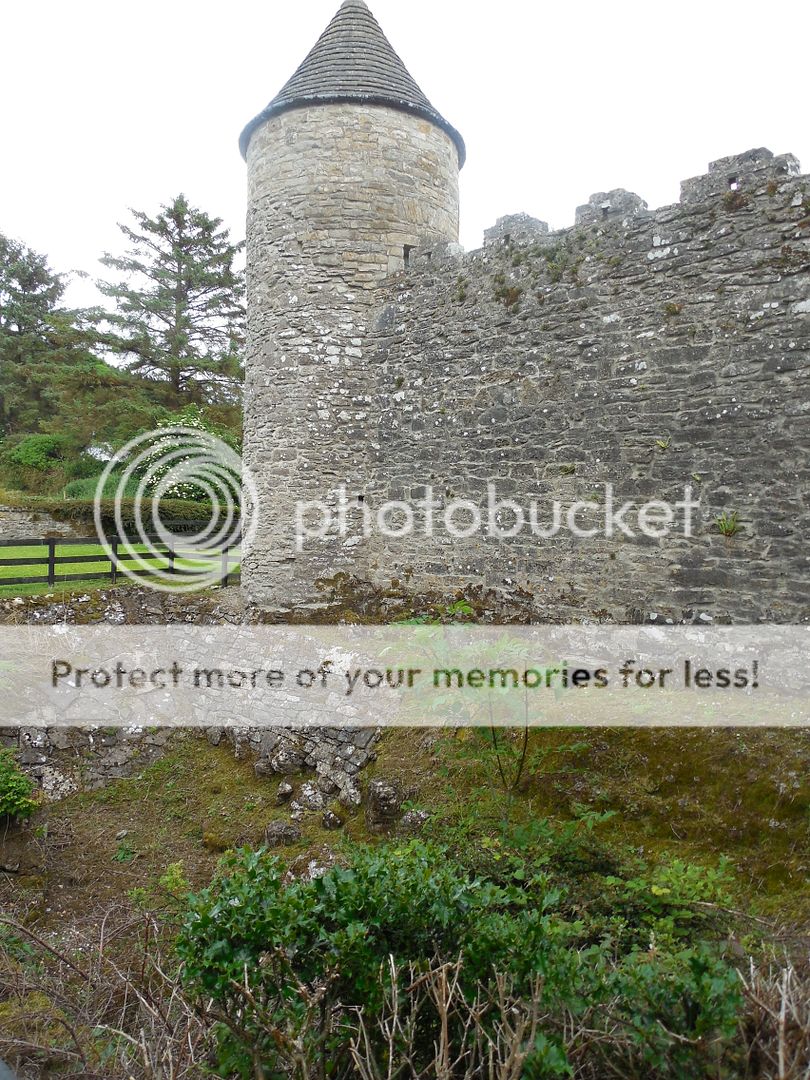
Parke's Castle, by Lough Gill, County Sligo


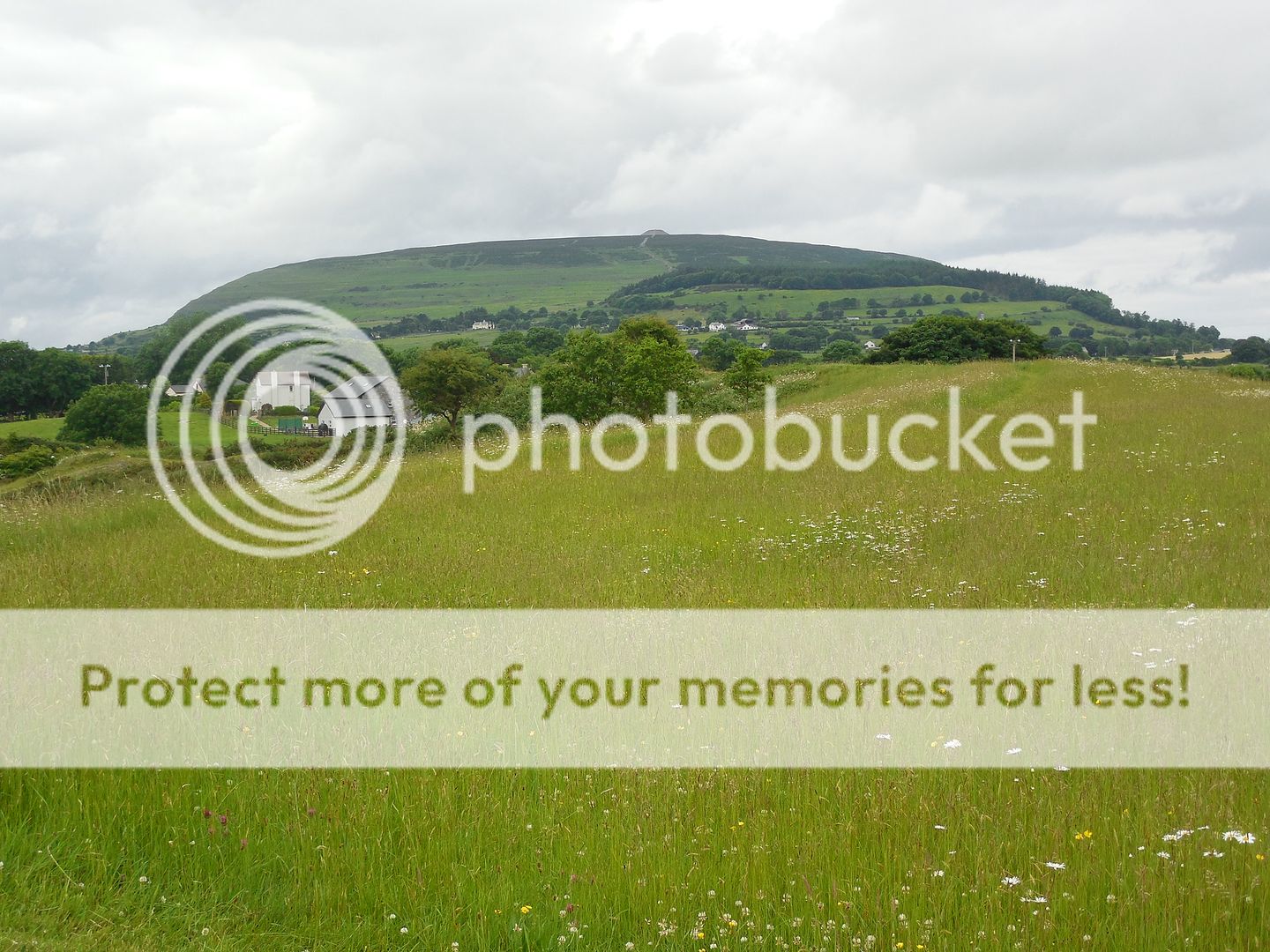
Knocknarea, County Sligo

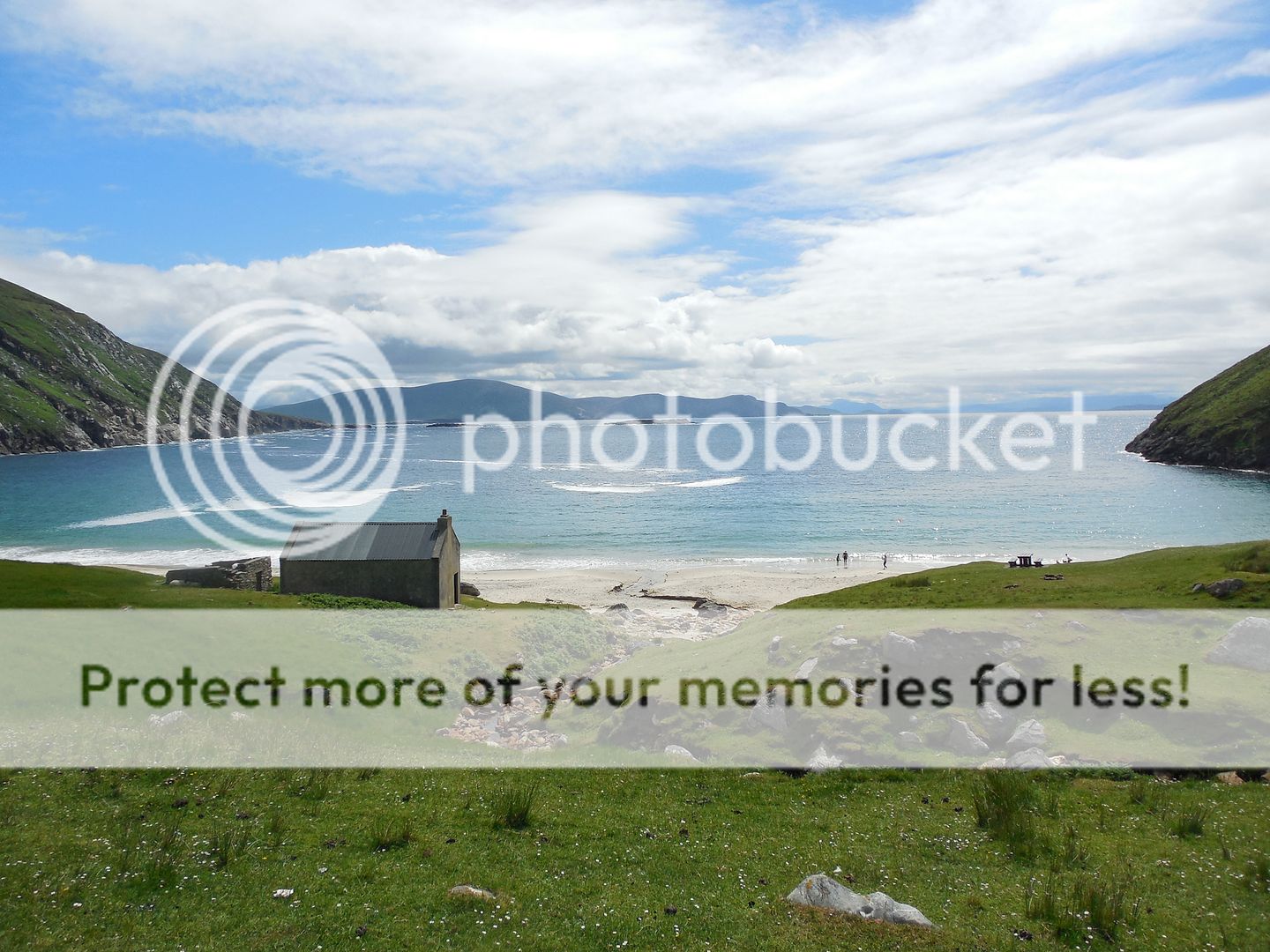
Clew Bay

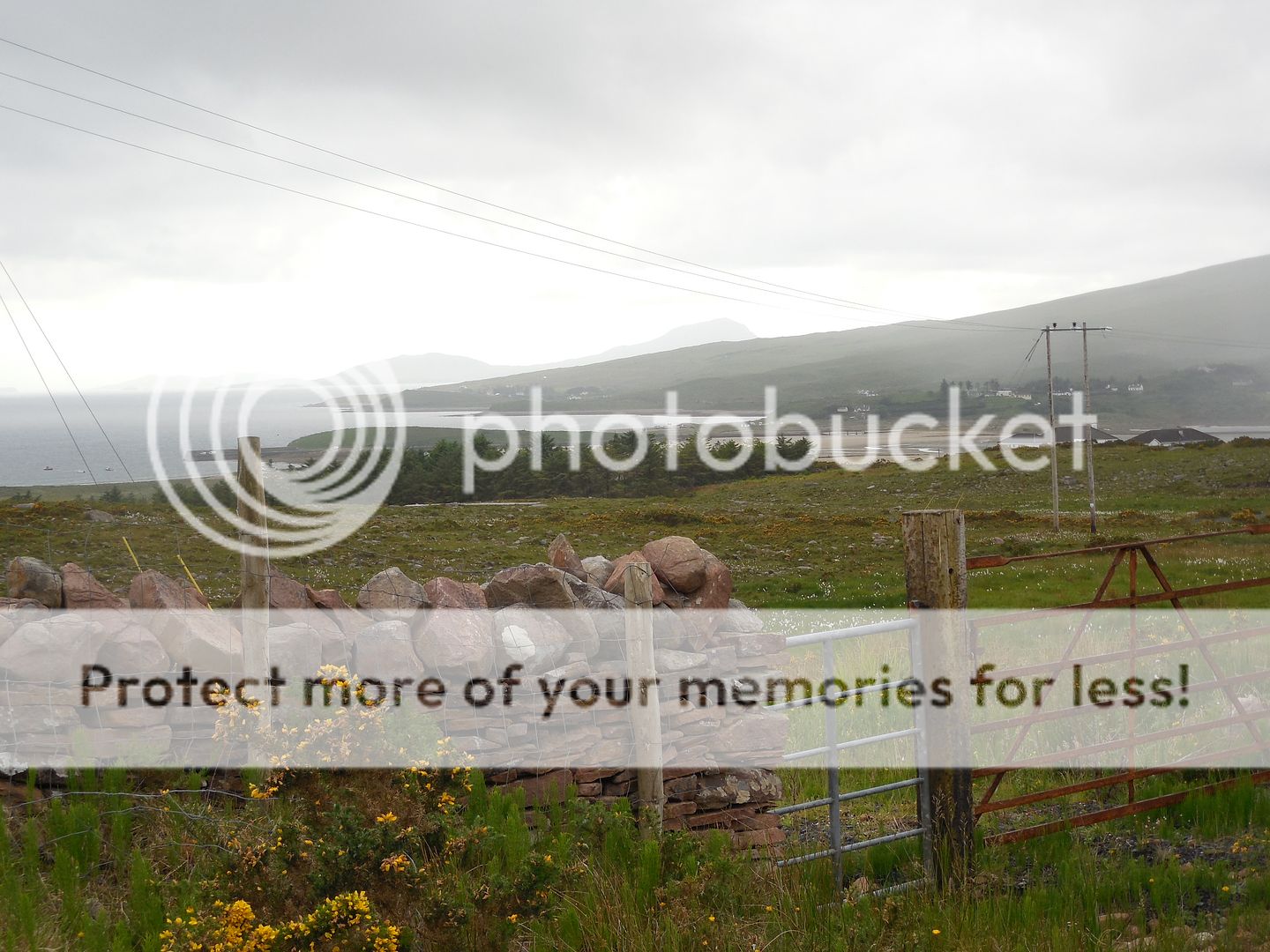
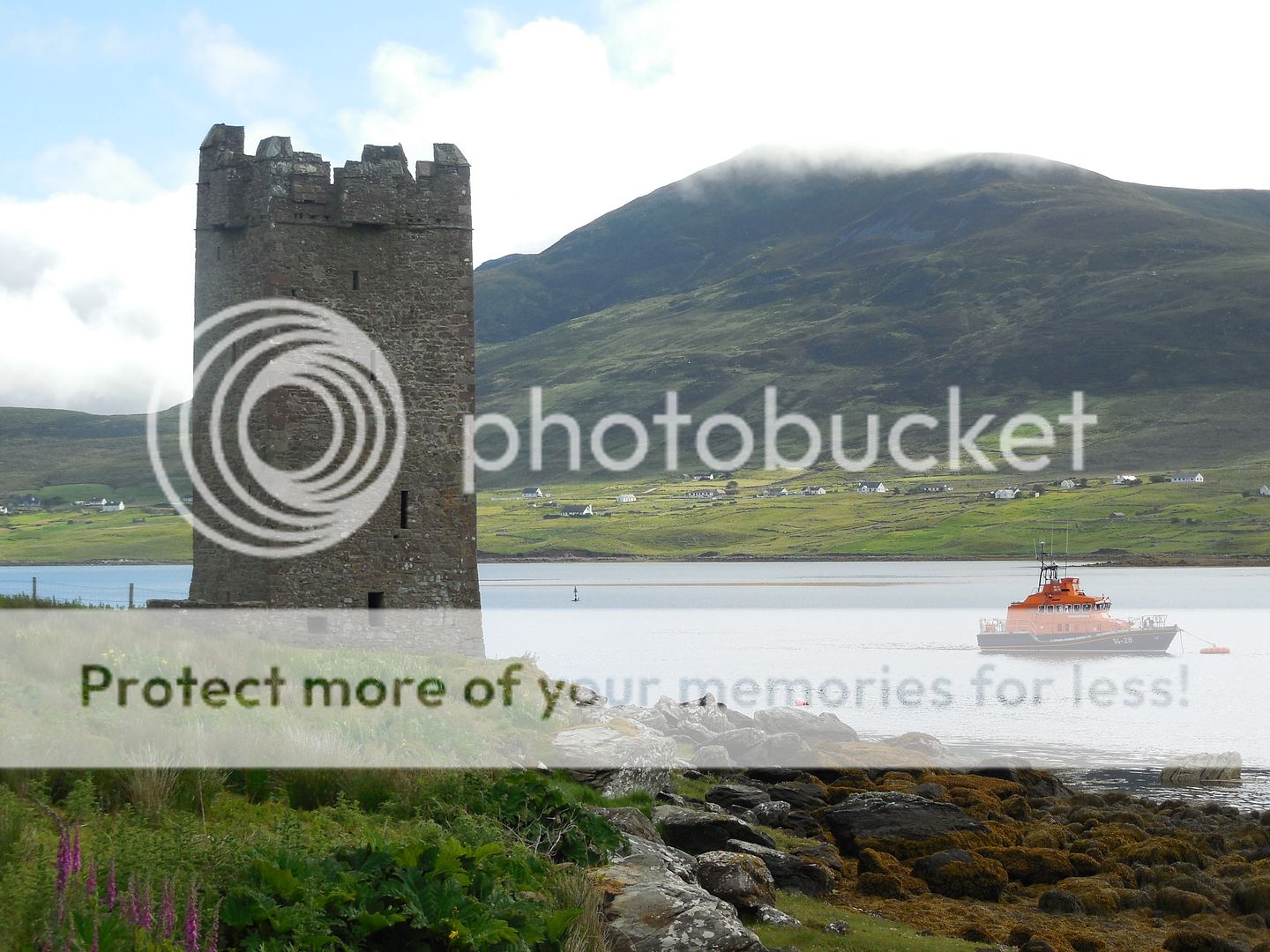
Tower house, Achill Island

Achill Island

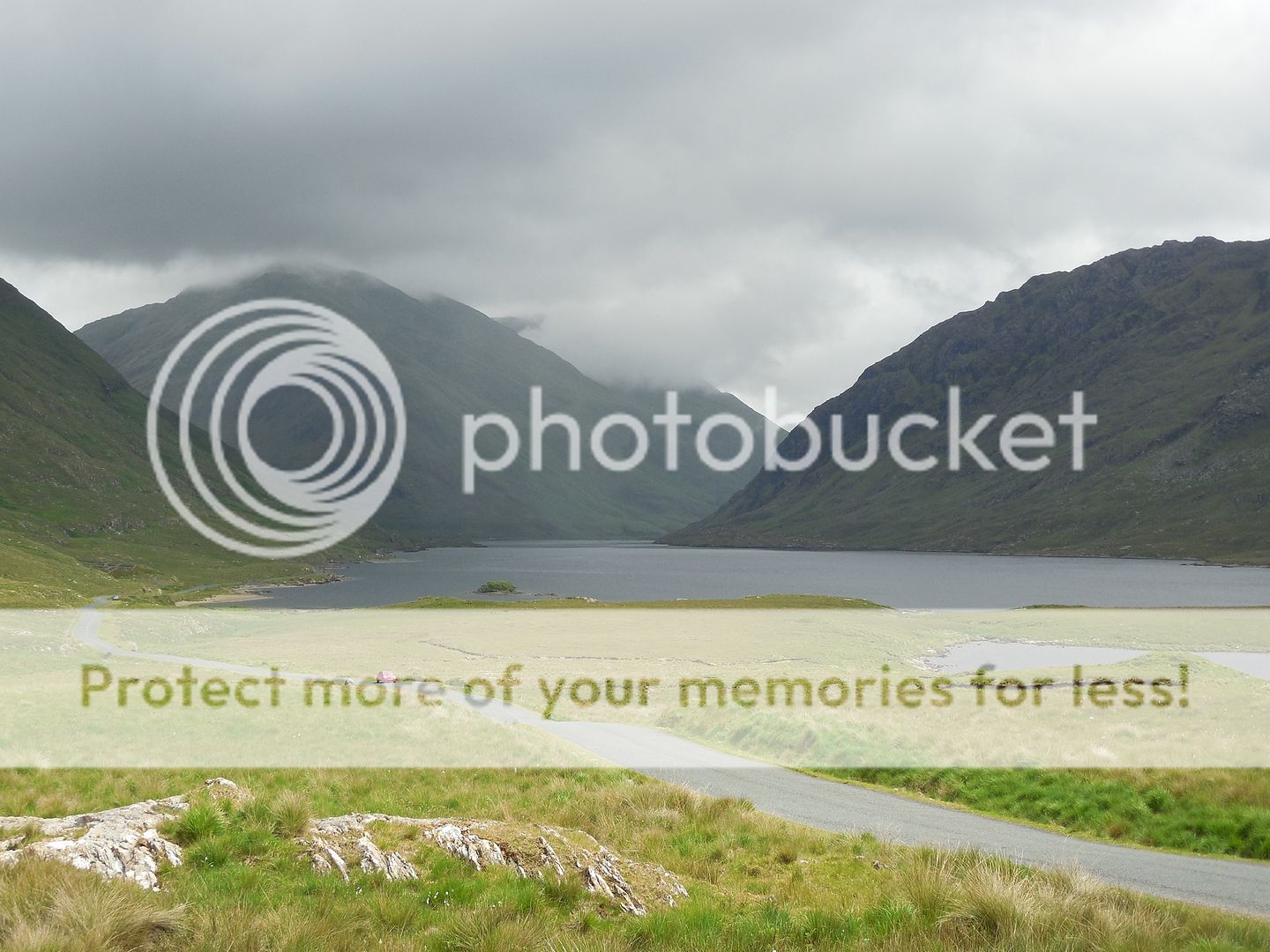
Connemara

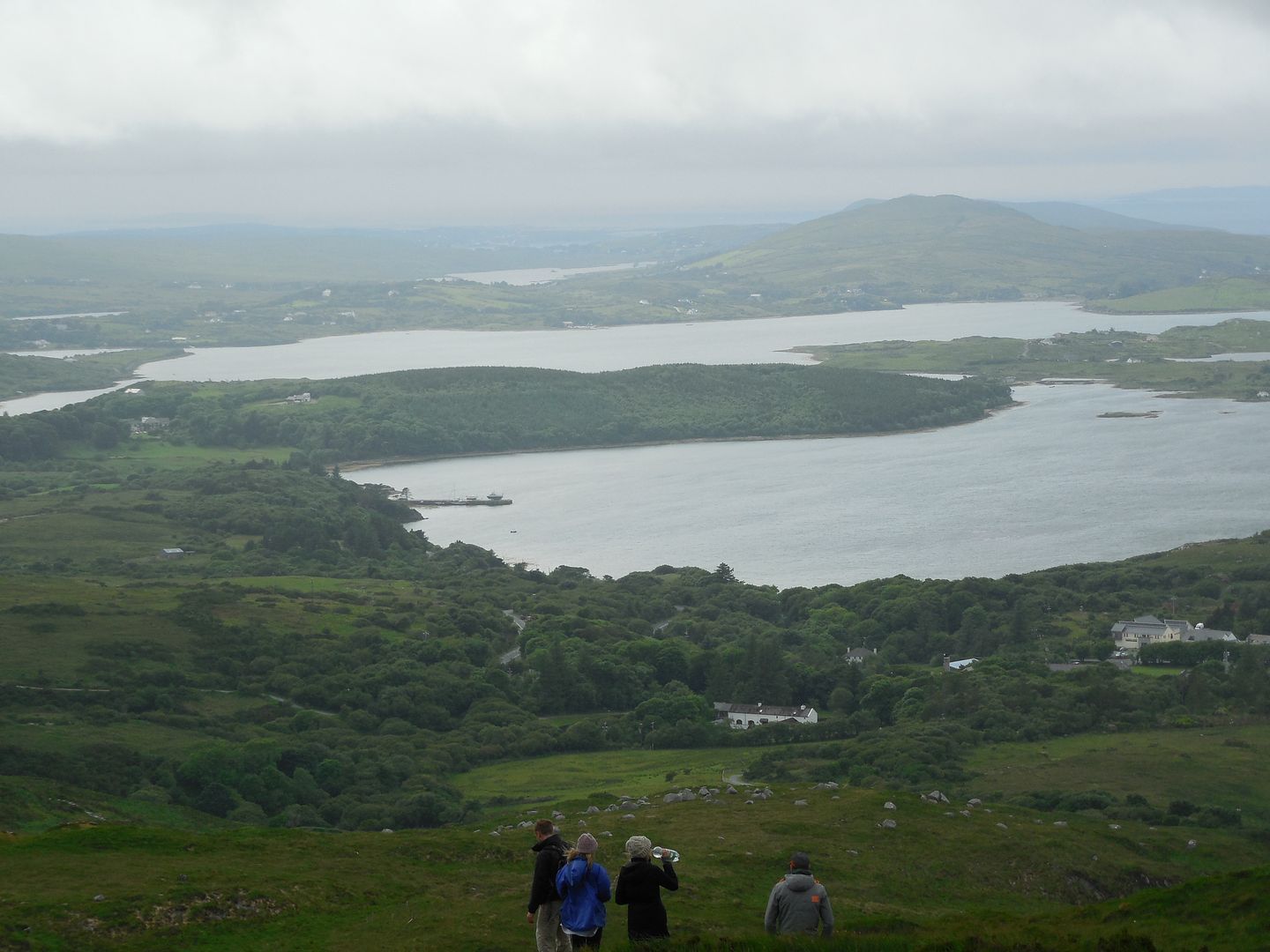
View from Diamond Hill, Connemara National Park

Lough Inagh

Galway City

Graves on Inishmore, Aran Islands

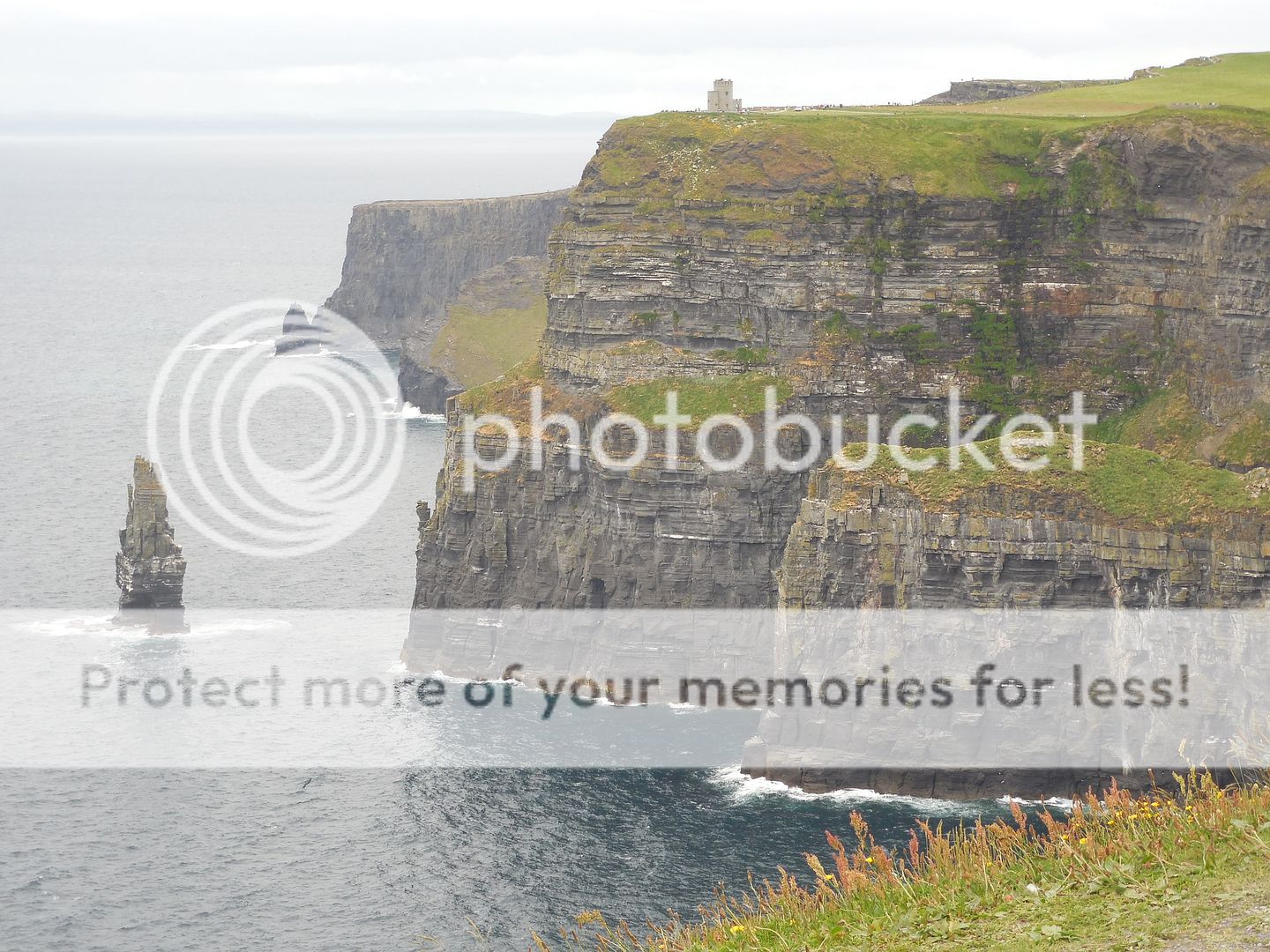
The Cliffs of Insanity! Moher

The Cliffs of Moher

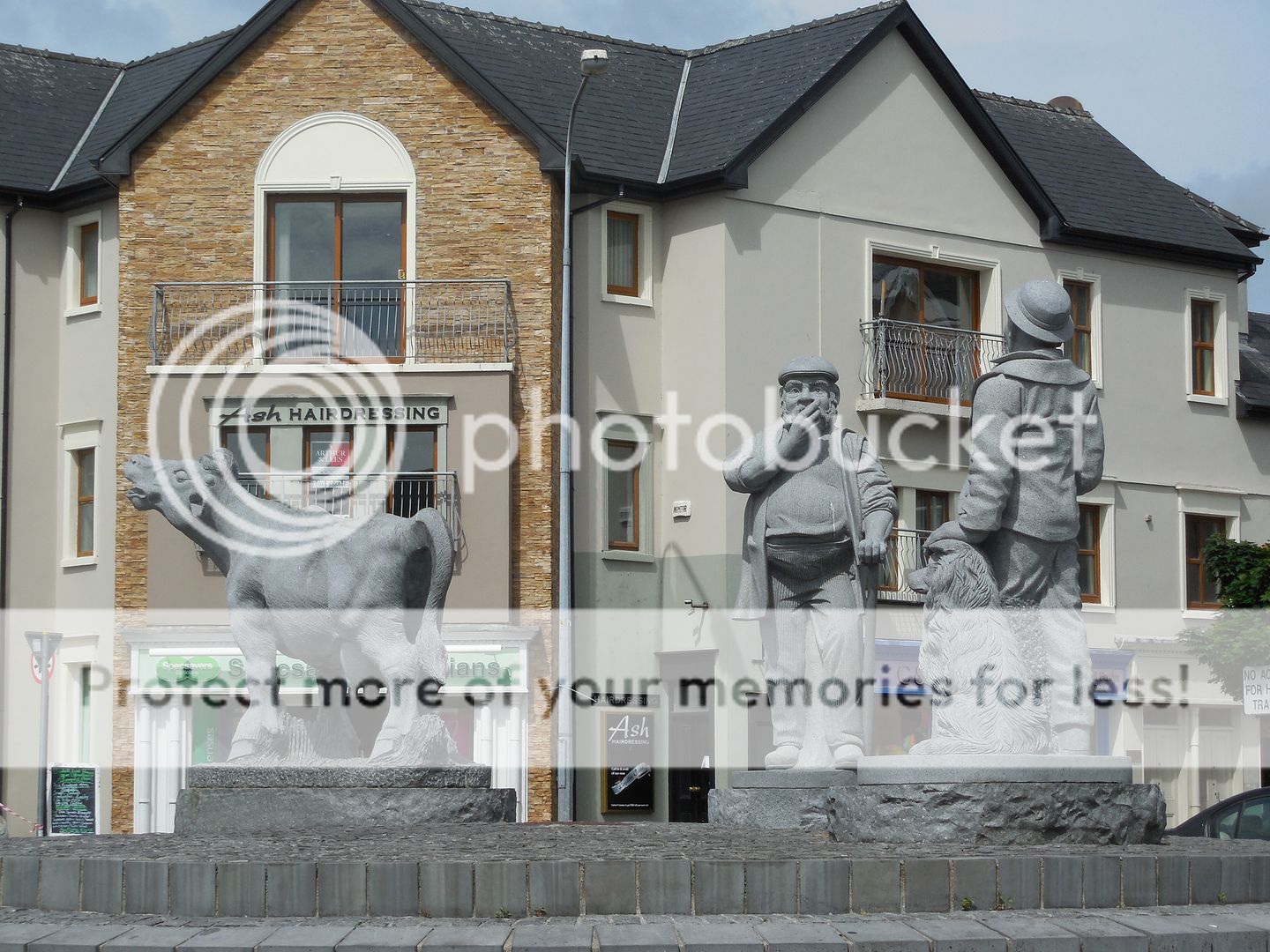
Market Square statue, Ennis

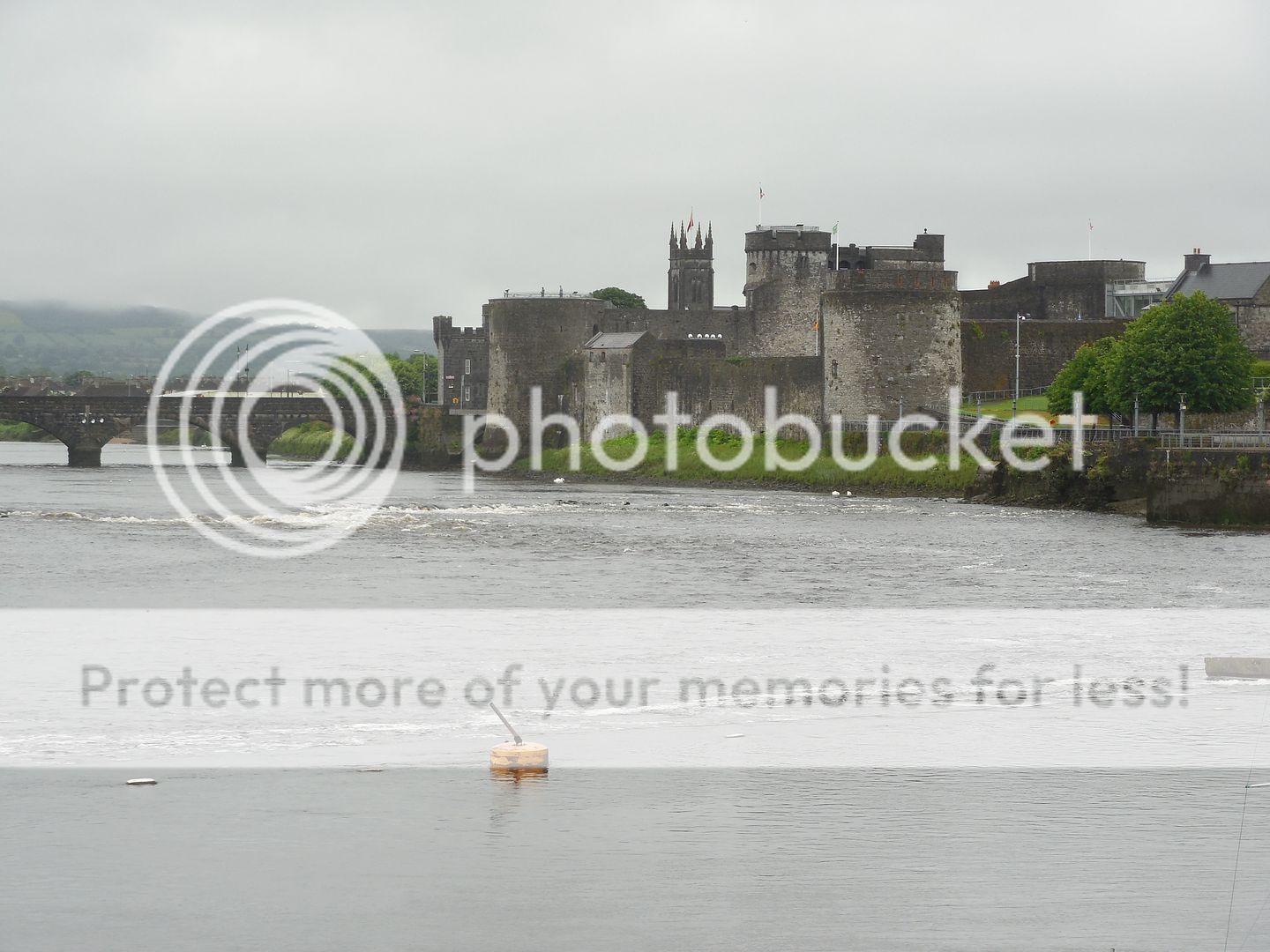
King John's Castle, Limerick City

Friday, March 20, 2015

Book Review: The Green Road Into the Trees

The Green Road Into the Trees: An Exploration of England
Hugh Thomson
Travel, archaeology

The United Kingdom, like the United States, is essentially an urban and suburban nation. And, also like the United States, there's some kind of deep-seated voice that whispers, irrationally but compellingly: "but the small-town/village is the real America/England."

But one big difference is that the UK has managed its dense population centers much differently. Fly over Britain and you'll see a pattern: cities and towns cluster densely around a center, radiate outward, and then, at a certain point, just ... stop. Here, we get sprawl without end. There, the countryside—the actual, working, non-Disneyfied rural landscape—is within easy reach even of the big cities.


Standing stones in Avebury

That tension, I think, is at the heart of The Green Road Into the Trees. Hugh Thomson traces the path of the ancient Icknield Way across southern England—never far from the madding crowd, yet curiously insulated from it. There's some nice descriptive writing, but the book ultimately isn't about the landscape; it's about the relationship that the English have with the landscape. In some cases that takes the form of correcting old shibboleths: Thomson, in walking this Bronze-age path, does a nice job bringing that ultimately unknowable time into his present picture.


Cotswold Way 

So Thomson divides his book among Bronze- and Iron-Age land use, his own personal reactions, and a series of encounters with people who are on, in, or of the English countryside—farmers, festival-goers, Travelers, pub owners, conservationists, would-be Druids, archaeologists, and just ordinary folks. It's an odd but appealing journey, without any overt direction or focus or message. American readers, at least, will be struck by the extraordinary persistence of English rural mores; many (though not all!) of the people Thomson meets would sound perfectly at home in an Agatha Christie novel.


Chalk path

Rather like The Wind in the Willows (a book Thomson references many times) some of the best passages are not about anything except the experience of being there. For anyone who has walked or biked the English countryside, The Green Road Into the Trees is an exceedingly evocative book. And yet ... even more than his archaeological musings, Thomson's conversations with the locals—something that we Yanks can't carry off in quite the same way—makes me think that there are a lot of layers beneath that beautiful surface.